
What You Will Learn
- Accurate log scaling maximizes lumber yield, leading to increased profitability.
- Using standardized methods, like the Doyle and Scribner rules, ensures consistency in volume measurements.
- Defect assessment during scaling is crucial for determining the true value of logs.
- Effective log scaling practices support sustainable forestry, protecting natural resources for future generations.
- Improved customer satisfaction stems from reliable scaling and high-quality lumber production.
- Continuous learning and community engagement enhance log scaling techniques and industry knowledge.
Log Scaling and Its Importance in Lumber Production
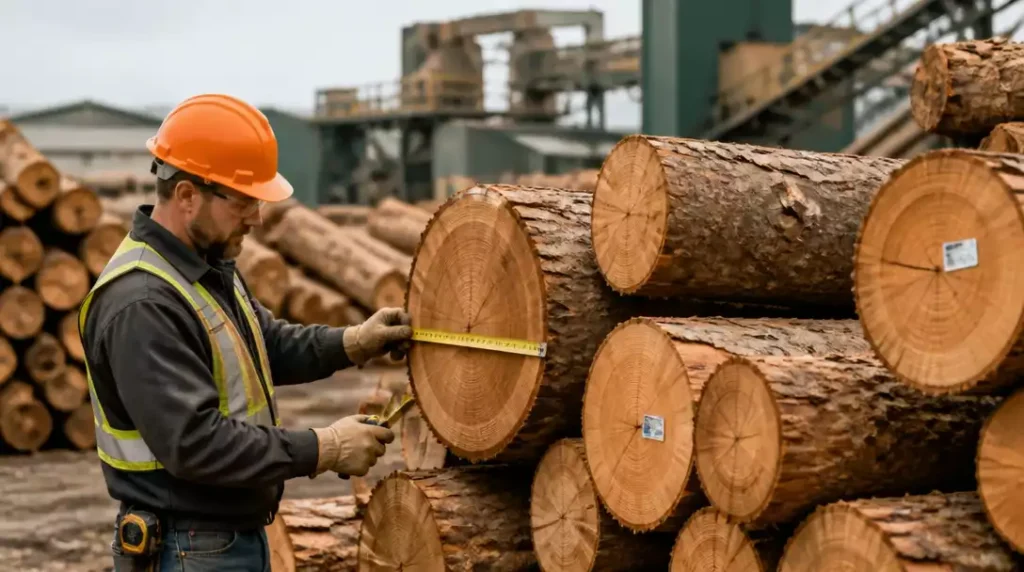
Log scaling is a crucial process in the lumber industry that ensures we’re accurately measuring the volume of logs to maximize yield. It involves specific techniques and knowledge to determine how much lumber can be produced from a log. As someone who has been involved in this field for years, I’ve seen firsthand how vital accurate scaling is to our operations.
At its core, log scaling helps us make informed decisions about purchasing and selling logs. When we know the precise volume of timber we have, we can better assess its value and plan for production. This efficiency not only benefits the company but also helps our customers by providing them with high-quality lumber at competitive prices.
What is Log Scaling?
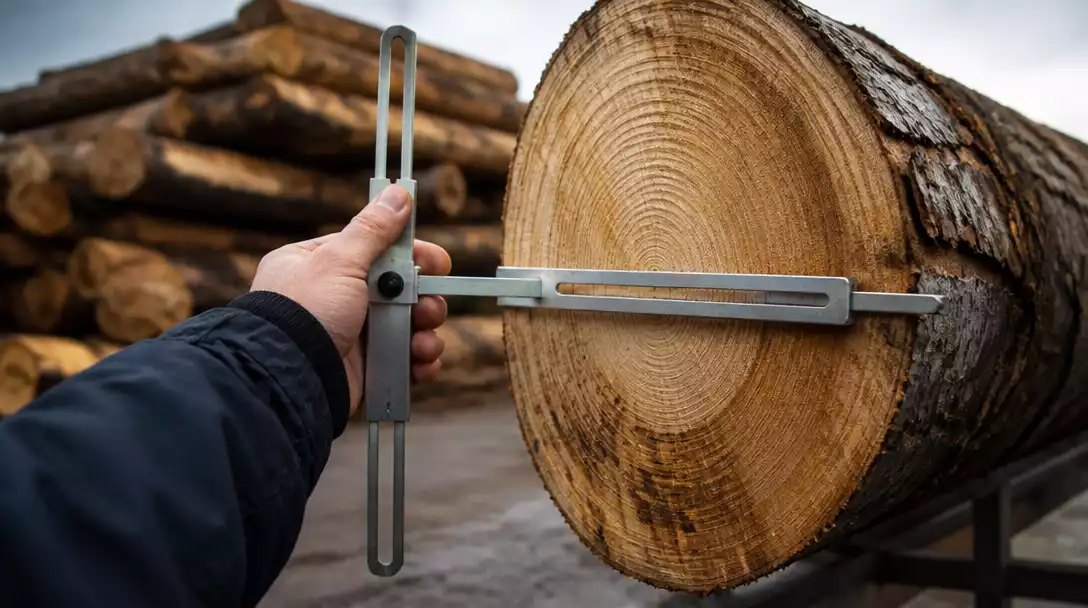
Log scaling refers to the measurement of logs to determine their volume, typically expressed in board feet. This process forms the backbone of effective lumber production. It’s essential for both buyers and sellers in the lumber market to agree on the quantity of wood being exchanged.
- Volume Calculation: The primary goal is to calculate the total volume of usable lumber from the log.
- Standardized Methods: Various rules, such as the Doyle and Scribner log rules, are used to conduct these measurements.
- Defect Assessment: Scaling also involves evaluating the quality of the log, accounting for defects that may affect its value.
Understanding these elements of log scaling allows us to provide accurate estimates, thereby fostering trust in our business relationships. The precision achieved through reliable scaling also plays a significant role in maintaining high standards in lumber production.
The Role of Log Scaling in the Lumber Industry
Log scaling serves as a bridge between forest management and lumber production. It enables sustainable practices by ensuring that only the required volume of logs is harvested. This not only supports responsible forestry but also protects our natural resources for future generations.
- Resource Management: Accurate scaling helps in planning the harvest and maintaining a sustainable yield.
- Economic Impact: Correct measurements benefit our bottom line by reducing waste and maximizing profit.
- Quality Assurance: Ensuring that we meet customer expectations for quality lumber is paramount.
By consistently applying log scaling principles, we can uphold the integrity of the lumber industry. This commitment to accuracy is what drives our operations and assures our clients of the best possible service and product quality.
Impact of Accurate Log Measurement on Lumber Yield
The accuracy of log measurements directly correlates with lumber yield, which is critical for profitability. Inaccurate scaling can lead to significant losses, not only in terms of resources but also in customer satisfaction. When we scale logs correctly, we maximize the amount of high-quality lumber we can produce.
- Increased Yield: Accurate measurements allow us to identify the best logs for milling.
- Cost Efficiency: Reducing errors in scaling can lower production costs significantly.
- Improved Customer Trust: Consistent and reliable measurements enhance our reputation in the market.
In short, accurate log measurement is more than just a technical process; it’s a cornerstone of successful lumber production that supports both our business and our customers. At our company, we prioritize this aspect to ensure that we deliver top-notch lumber every time!
Pro Tip
Did you know? Using digital tools for log scaling can significantly increase accuracy and efficiency. Consider integrating software solutions that automate measurements and calculations, reducing human error and streamlining your workflow!
Frequently Asked Questions About Log Scaling
- What is log scaling?
- Log scaling is the process of measuring logs to determine their volume, typically in board feet, and assessing their quality to estimate the amount of usable lumber that can be produced.
- Why is accurate log scaling important?
- Accurate log scaling is crucial for maximizing lumber yield, ensuring fair pricing in log transactions, improving cost efficiency by reducing waste, enhancing customer satisfaction, and supporting sustainable forestry practices.
- What methods are used for log scaling?
- Standardized methods like the Doyle and Scribner log rules are commonly used to measure log volume. These methods help ensure consistency and agreement between buyers and sellers.
- How does log scaling contribute to sustainable forestry?
- By accurately assessing log volume, log scaling helps in planning the harvest and maintaining a sustainable yield, ensuring that only the necessary amount of timber is taken, thus protecting natural resources.
- Can digital tools improve log scaling accuracy?
- Yes, integrating digital tools and software solutions can significantly increase the accuracy and efficiency of log scaling by automating measurements and calculations, which helps to reduce human error and streamline workflows.
Summarizing Key Takeaways on Log Scaling
In the lumber production world, the importance of accurate log scaling cannot be overstated. It serves as the foundation for ensuring maximum yield and profitability. By mastering the techniques of log scaling, we can significantly enhance our operational efficiency and product quality. To effectively implement these improvements, it’s essential to understand how a scale works in various contexts, ensuring precision in every measurement.
Here are some key benefits of accurate log scaling:
- Increased lumber yield through precise measurements.
- Better cost management by reducing waste and maximizing resource use.
- Higher customer satisfaction due to quality assurance in products.
- Improved pricing strategies based on accurate log value assessment.
Ultimately, becoming proficient in log scaling techniques can lead to remarkable improvements in both productivity and profitability. It’s an essential skill for anyone involved in the lumber industry!
The Benefits of Accurate Log Scaling for Lumber Yield
When we talk about the benefits of accurate log scaling, the first thing that comes to mind is the impact on lumber yield. By ensuring precise measurements of logs, we can achieve optimum utilization of every piece of timber we handle.
Here’s why accurate log scaling is crucial:
- Minimizes discrepancies during the conversion process.
- Enhances decision-making regarding production and inventory.
- Facilitates better negotiation with buyers based on true log value.
In my experience, taking the time to measure logs correctly has consistently resulted in better yields and happier customers. It’s all about attention to detail! Just as important as accurate log scaling is understanding how to read a gram scale for other precision measurements, ensuring accuracy across all aspects of production.
Final Thoughts on Mastering Log Scaling Techniques
As we wrap up our discussion on log scaling, remember that mastery comes with practice and continuous learning. Each log presents unique challenges, and refining our skills is an ongoing journey.
To further enhance your log scaling techniques, consider:
- Participating in workshops and training sessions.
- Staying updated with the latest tools and technologies in logging.
- Engaging with experts and sharing knowledge within the community.
By prioritizing education and collaboration, we can all contribute to a more skilled and sustainable lumber industry. Let’s keep pushing the boundaries of what we can achieve with effective log scaling!
Engaging with the Community and Further Learning
Resources for Continued Education in Log Scaling
If you’re looking to deepen your knowledge of log scaling, a variety of resources are available. From online courses to industry publications, there’s a wealth of information out there!
- Online platforms offering specialized courses on log scaling.
- Industry journals and newsletters that cover the latest research and trends.
- Workshops held by lumber associations and trade shows.
Utilizing these resources not only broadens our skill set but also connects us with other professionals in the field. For instance, understanding how to apply scaling principles can be as intricate as knowing how to scale feet to inches in architectural design, requiring precision and attention to detail.
Join Discussion Forums to Share Insights and Ask Questions
Engaging with fellow enthusiasts in forums is a fantastic way to exchange ideas and insights. Many online platforms allow us to ask questions, share our experiences, and learn from one another.
- Participate in community forums dedicated to logging and lumber production.
- Follow social media groups where industry discussions thrive.
- Attend local meetups to network with other log scaling professionals.
Connecting with others not only fosters collaboration but also enhances our understanding of best practices in log scaling.
Exploring Sustainable Logging Practices and Their Benefits
Sustainability is a major focus in our industry today, and implementing sustainable logging practices is essential. These practices not only benefit the environment but also improve our business’s reputation.
- Implementing selective logging to minimize environmental impact.
- Using technology to monitor forest health and growth.
- Participating in certification programs for sustainable forestry.
By embracing sustainability in our log scaling processes, we not only contribute to a healthier planet but also appeal to a growing market of eco-conscious consumers. Together, we can make a lasting impact!
Recap of Key Points
Here is a quick recap of the important points discussed in the article:
- Accurate log scaling is crucial for maximizing lumber yield and profitability.
- Utilizing standardized methods like Doyle and Scribner rules ensures precise volume calculations.
- Defect assessment during scaling helps maintain quality and value in lumber production.
- Sustainable practices supported by accurate scaling protect natural resources for future generations.
- Continuous learning and engagement with the community enhance log scaling skills.





