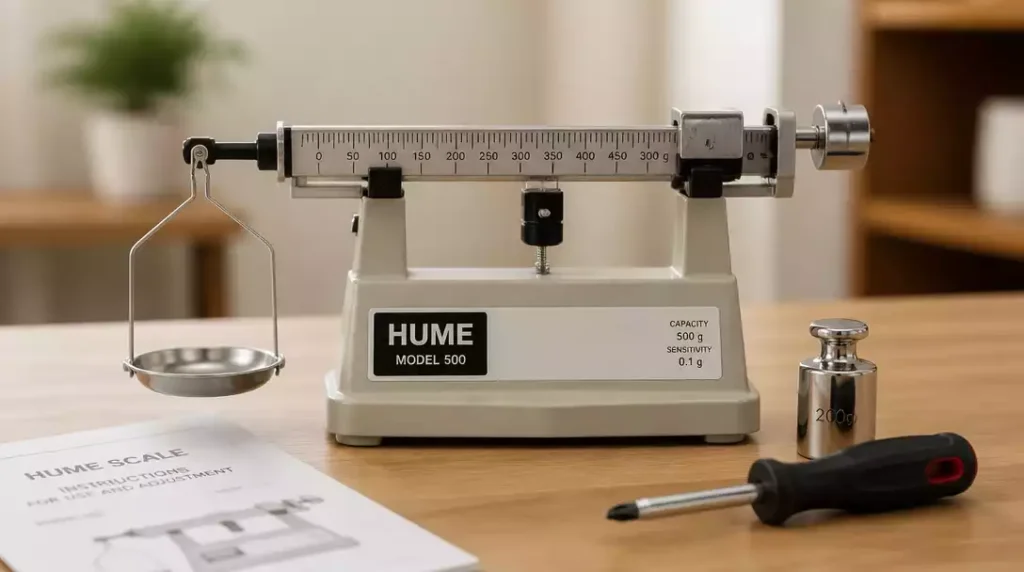
In the realm of sound measurement, understanding the nuances of the Hume Health Scale is crucial for accurate assessments. Whether you’re a professional in audiology or simply someone keen on monitoring sound levels, knowing the intricacies of this tool can elevate your experience.
What You Will Learn
- The Hume Scale quantifies perceived sound intensity, combining physical measurements with human perception.
- Calibration issues, Bluetooth connectivity, and battery life are common challenges that can skew results.
- Resetting your Hume Scale involves identifying the correct method and following specific procedures for optimal performance.
- Resources like official support, community forums, and social media can provide valuable troubleshooting assistance.
- Key psychoacoustic concepts enhance understanding of sound measurement, improving calibration accuracy.
- Audiometry is relevant for personalizing sound levels and enhancing the functionality of your Hume Scale.
Hume Scale and Common Issues
Let’s dive into the Hume Health Scale, a vital tool for measuring sound levels and their impact on health. It’s essential to know how it works and the common problems you might encounter. Having a solid grasp of the scale can improve your overall experience and ensure you get accurate readings.
The Hume Scale is significant in fields like audiology and environmental noise assessment. It provides a standardized way to measure the perceived intensity of sounds, helping professionals analyze how various sound levels affect well-being. But like any device, it can have its quirks! For general information on troubleshooting common scale issues, you might find our guide on how a scale works helpful.
What is the Hume Health Scale?
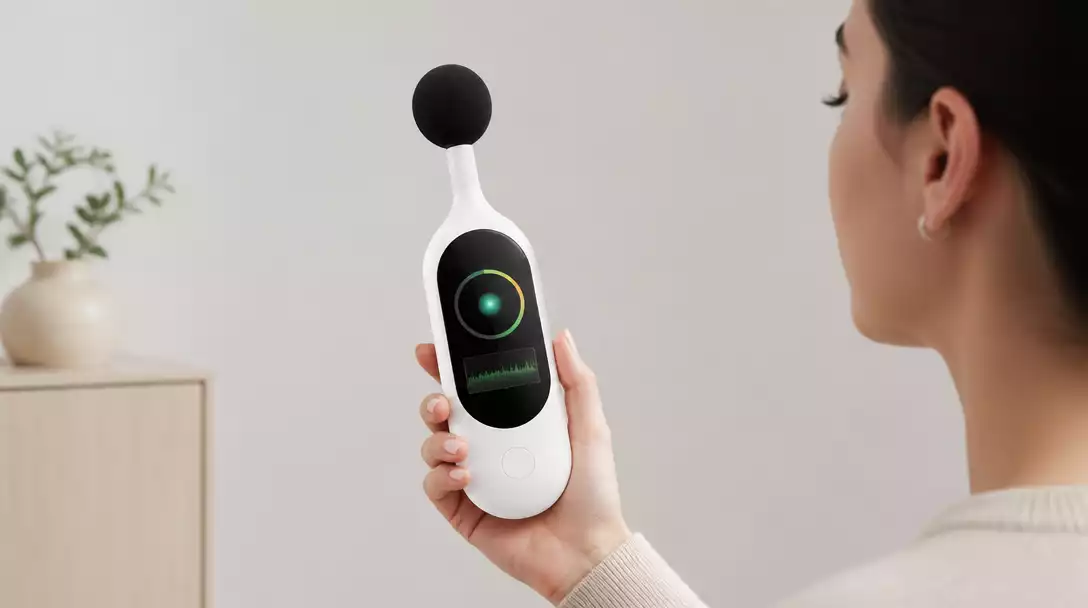
The Hume Scale is designed to quantify how we perceive sound. It operates on a range of values that indicate sound intensity, allowing users to assess environments for potential noise-related issues. This scale is not just about measuring decibels; it considers the human experience of sound, making it a unique tool in sound analysis.
- Comprehensive Measurements: It includes both physical sound levels and human perception.
- Standardization: Offers consistency across different environments and studies.
- Practical Applications: Used in healthcare, urban planning, and noise regulation.
Understanding these elements can help you make better decisions regarding sound exposure. If you’re using the Hume Scale for any health assessments or studies, knowing its intricacies is essential for effective results.
Identifying Common Problems with the Hume Scale
While the Hume Scale is a powerful tool, it’s not without its issues. Users often report a few common problems that can lead to inaccurate readings or confusing results. Identifying these early can save you time and frustration.
- Calibration Issues: If the scale isn’t calibrated correctly, readings can be skewed. Understanding how to calibrate a digital scale can often provide insights applicable to various devices.
- Bluetooth Connectivity: Often, users face challenges reconnecting the scale to their devices.
- Battery Life: A low battery can affect performance and lead to unexpected shut-offs.
Being aware of these potential pitfalls can help you troubleshoot effectively. If you find yourself facing any of these challenges, don’t hesitate to reach out for support—knowing how to tackle these issues is half the battle!
Engage with Us!
We’d love to hear your thoughts! Have you encountered any challenges while using the Hume Scale? Share your experiences or tips below:
Summary of Key Steps for Resetting Your Hume Scale
Resetting your Hume Scale can seem daunting, but it doesn’t have to be! Let’s recap the essential steps you need to follow for both a factory reset and recalibration, ensuring your device operates smoothly.
- Identify the method: Factory reset or recalibration based on your situation.
- Locate the reset pinhole or button on your Hume Scale.
- Follow the factory reset procedure as outlined in your manual or app.
- Recalibrate if necessary, placing the scale in an optimal location away from disruptive sounds.
By keeping these steps in mind, you’ll be well-equipped to handle any reset needs that arise, ensuring that your Hume Scale remains accurate and reliable! For more specific guidance on resetting various types of scales, you can refer to our article on how to reset a scale.
Frequently Asked Questions (FAQs) About the Hume Health Scale
- What is the primary function of the Hume Health Scale?
- The Hume Health Scale quantifies perceived sound intensity, combining physical measurements with human perception to assess sound environments for potential noise-related issues.
- What are common problems users face with the Hume Scale?
- Common issues include calibration problems, Bluetooth connectivity challenges, and concerns regarding battery life, all of which can affect the accuracy and performance of the device.
- How do I reset my Hume Scale?
- Resetting typically involves identifying whether a factory reset or recalibration is needed, locating the reset pinhole or button, and following the specific procedure outlined in your device’s manual or app. Recalibration may also be necessary.
- Where can I find support for my Hume Scale if I encounter problems?
- You can access Hume’s official support page, engage with community forums, or follow their social media pages for troubleshooting tips, updates, and assistance from fellow users.
- How does psychoacoustics relate to Hume Scale measurements?
- Understanding psychoacoustic concepts like sound perception, the threshold of hearing, and frequency response can significantly improve the accuracy of your Hume Scale readings by providing a deeper insight into how sounds interact with human perception and the environment.
- What is the role of audiometry in enhancing Hume Scale functionality?
- Audiometry helps personalize sound level assessments by providing insights into individual hearing ability and thresholds. This allows for more precise adjustments and tailored calibrations, maximizing the scale’s performance based on personal sound perception.
Take Action: Troubleshoot Your Hume Scale Effectively
If you’ve followed the reset process and are still experiencing issues, don’t worry! There are plenty of resources available to help you troubleshoot effectively. Let’s explore some options.
Resources for Further Assistance
When in doubt, reaching out to the right resources can save you time and frustration. Here are some valuable options:
- Hume’s Official Support: Access their dedicated support page for FAQs and detailed guides.
- Community Forums: Connect with fellow users who share their experiences and solutions.
- Social Media Pages: Follow Hume on platforms like Facebook and Twitter for updates and tips.
Utilizing these resources can provide you with insights and answers that are tailored to your specific concerns!
Exploring Psychoacoustics: Enhancing Your Understanding of Sound Measurement
Diving deeper into the realm of psychoacoustics can significantly enhance how you understand sound measurement with the Hume Scale. Here are some key concepts to consider:
Key Concepts in Psychoacoustics for Better Calibration
- Sound perception: How we perceive different sound frequencies can affect measurements.
- Threshold of hearing: Understanding your hearing limits helps calibrate the scale more accurately.
- Frequency response: Different sounds may interact with your environment in unique ways.
By grasping these concepts, you’ll improve the accuracy of your Hume Scale readings and achieve a better understanding of your audio environment!
Understanding Audiometry and Its Relevance to Your Hume Scale
Audiometry plays a critical role in sound measurement, especially if you’re using the Hume Scale for more than just basic readings. Here’s how:
- Testing hearing ability: Audiometry assessments can provide insights into personal sound perception.
- Adjusting sound levels: Knowing your hearing thresholds helps in setting appropriate sound levels on your scale.
- Personalized calibrations: Tailoring settings based on audiometric results can lead to enhanced performance.
Understanding these elements can empower you to maximize the functionality of your Hume Scale, ensuring it meets your sound measurement needs!
Recap of Key Points
Here is a quick recap of the important points discussed in the article:
- Understanding the Hume Scale: A tool for measuring sound intensity that considers human perception.
- Common Issues: Be aware of calibration issues, Bluetooth connectivity challenges, and battery life concerns.
- Resetting Steps: Identify the correct method, locate the reset button, and follow the reset procedure as per the manual.
- Troubleshooting Resources: Utilize official support, community forums, and social media for assistance.
- Psychoacoustics Insights: Understanding sound perception, thresholds of hearing, and frequency response can enhance measurement accuracy.
- Audiometry Relevance: Tailor your Hume Scale settings based on audiometric assessments for improved performance.