Understanding how to accurately measure your weight is crucial for tracking your health journey effectively. Small adjustments in technique can yield significant improvements in clarity and consistency.
What You Will Learn
- The importance of standing tall with proper posture for accurate scale readings.
- Why weighing yourself on a hard, flat surface is essential for reliability.
- The impact of body alignment on achieving consistent weight measurements.
- Best practices for weighing yourself, including timing and weight distribution.
The Importance of Accurate Weight Measurements
Accurate weight measurements can significantly impact our health journey. It’s essential to recognize that how we weigh ourselves can influence our understanding of our progress. By focusing on proper techniques and understanding the factors that affect scale readings, we can get a clearer picture of our health status.
In my experience at [Your Business Name], I’ve seen many clients surprised at how small adjustments can lead to more reliable results. This awareness is the first step toward achieving our fitness goals! For those interested in the mechanics, understanding how a digital bathroom scale works can further demystify the process.
Why Proper Posture Matters for Your Scale Readings
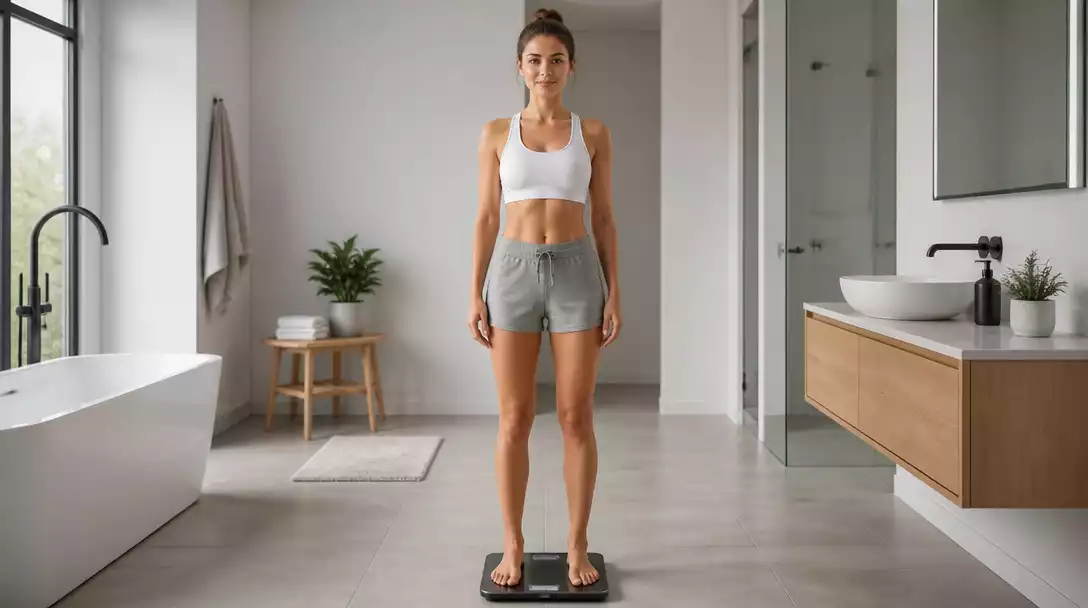
Did you know that your posture can greatly affect your scale results? Standing up straight can make a difference in the weight you see. When you slouch or lean, your body’s alignment can shift, leading to inaccurate readings.
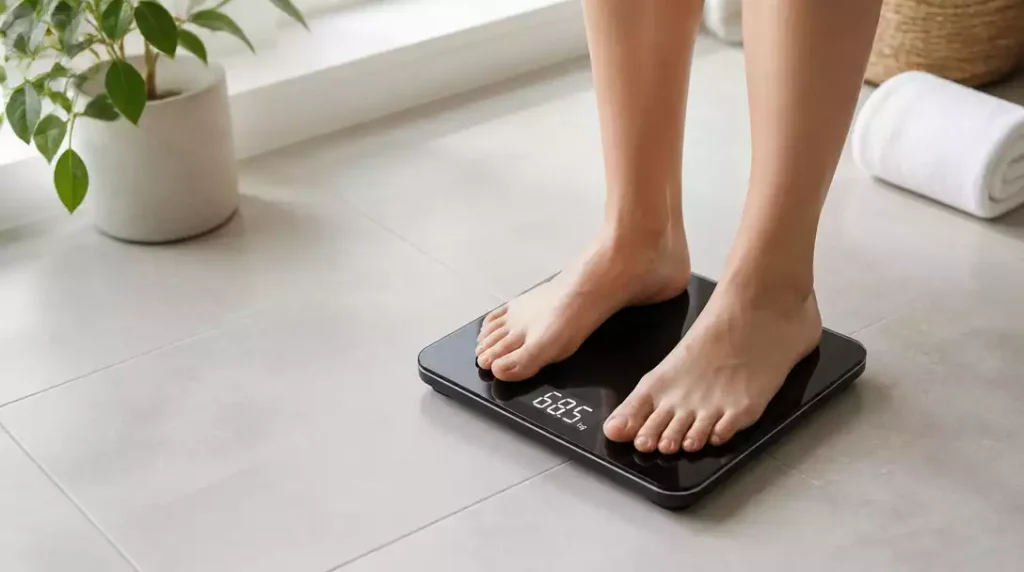
- Stand tall with your feet shoulder-width apart.
- Keep your shoulders back and relaxed.
- Align your head over your spine for stability.
By following these simple tips, you can ensure that your posture contributes positively to your weight measurement, providing a more accurate reflection of your body.
The Impact of Surface and Scale Type on Accuracy
The surface you weigh yourself on can be just as crucial as how you stand. Weighing on uneven or soft surfaces, like carpets, can lead to skewed readings. Instead, opting for a hard, flat surface will provide the most reliable results.
- Use a scale designed for your specific needs (digital vs. mechanical).
- Ensure the scale is placed on a stable, level surface.
- Regularly check if your scale is calibrated correctly. For instance, knowing how to calibrate a bathroom scale is a valuable skill for maintaining accuracy.
Choosing the right scale type and placement can help you maintain consistency in your weigh-ins, leading to a better understanding of your weight trends over time.
Exploring the Role of Body Alignment in Accurate Weighing
Body alignment plays a crucial role in achieving an accurate reading on your scale. When your weight is distributed evenly, you’re more likely to see results that reflect your true weight. It’s all about finding that sweet spot where you feel balanced and stable.
- Center your weight on both feet equally.
- Avoid shifting your weight from side to side.
- Keep a consistent foot placement each time you weigh in.
By paying attention to body alignment, you can ensure that your scale readings are not only accurate but also consistent, making your health journey feel more manageable and transparent.
Pro Tip
Did you know? Weighing yourself in the morning, after using the bathroom and before eating or drinking, can lead to the most accurate readings. This routine minimizes the variables that can affect your weight, providing a clearer picture of your progress!
Summarizing Best Practices for Weighing Yourself
After diving deep into the world of accurate weight measurements, it’s crucial to distill all that information into some clear, actionable steps. If you’re like me, you appreciate a straightforward approach that makes sense and is easy to follow. Here are the key takeaways that I’ve found most helpful in ensuring accurate weight readings:
- Always weigh yourself at the same time of day.
- Use a hard, flat surface for your scale.
- Stand still and distribute your weight evenly.
- Ensure your posture is correct before stepping on.
By implementing these practices, you can significantly improve the consistency and reliability of your weigh-ins. Remember, the goal is to gather data that reflects your true progress, not just random numbers that fluctuate.
Final Thoughts on Standing Properly on a Scale
As we wrap up our discussion on how to stand properly on a scale, it’s important to emphasize just how pivotal correct positioning is. Standing with the right posture isn’t just about aesthetics—it’s a game changer for your weight accuracy! I always remind my clients that a little effort can go a long way.
- Feet should be shoulder-width apart for stability.
- Keep your weight evenly distributed between both feet.
- Maintain a straight back and relaxed shoulders.
Adopting these techniques will not only make your readings more accurate but also promote a sense of confidence and awareness about your body. After all, every small detail matters when it comes to your health journey!
Engaging with Further Questions
Frequently Asked Questions about Weighing Yourself
It’s natural to have questions about proper weighing techniques, and I’ve compiled some of the most common inquiries I hear from my clients. Let’s explore them together!
Should You Stand Barefoot on a Scale?
While it’s not mandatory, standing barefoot is often recommended. It allows for a more direct reading without the added weight of shoes. If you prefer to wear socks for comfort, just ensure they are lightweight.
Feet Together or Apart for Accuracy?
For the most accurate readings, I suggest standing with your feet shoulder-width apart. This stance provides better balance, which is essential for stability during the weighing process.
Why Does My Weight Change on the Same Scale?
Weight can fluctuate due to various factors, including water retention, food intake, and even time of day. It’s essential to focus on trends over time rather than single readings!
How Can Body Composition Affect Scale Readings?
Your body’s composition—muscle versus fat—can significantly influence scale readings. Muscle weighs more than fat, so someone with a higher muscle mass may weigh more while still being healthier than someone with a higher fat percentage.
What if my digital scale displays an error or seems inaccurate?
If your digital scale displays an error or gives inconsistent readings, it might need troubleshooting. Sometimes, simply replacing the batteries or ensuring it’s on a completely flat, hard surface can resolve the issue. For more persistent problems, you might need to investigate how to know if a scale is wrong or consider recalibration.
Is there a difference in accuracy between digital and mechanical scales?
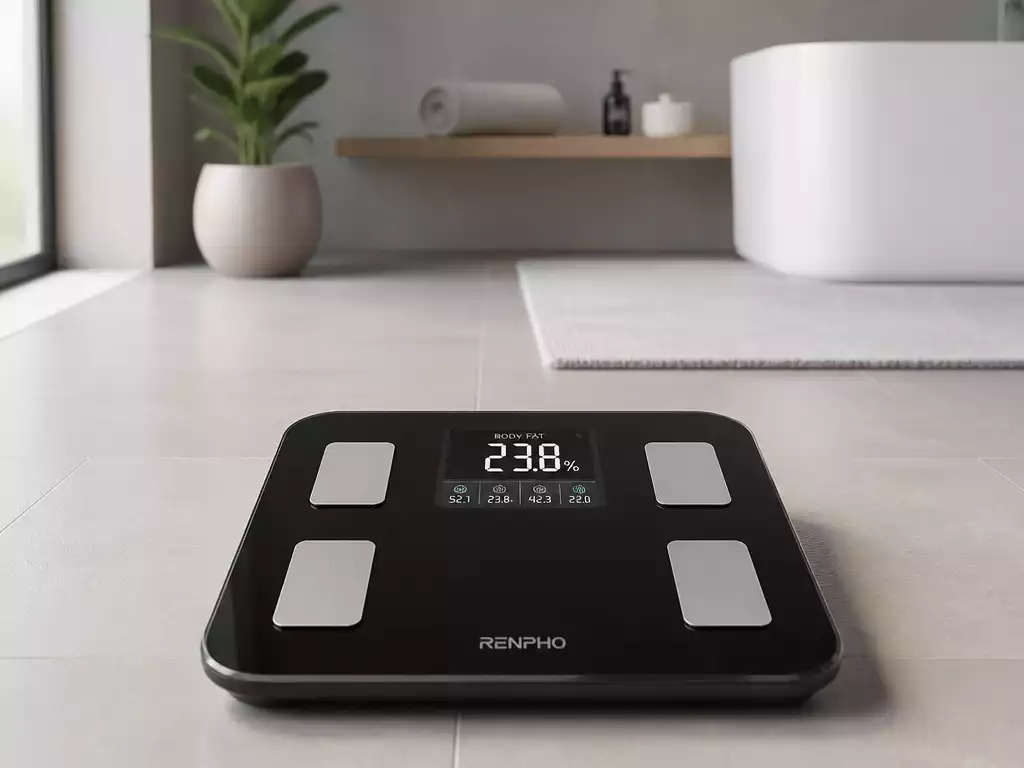
Generally, digital scales are considered more accurate and offer more precise readings than mechanical scales. Digital scales often provide readings to a decimal point, while mechanical scales rely on a spring mechanism that can be less precise and prone to wear over time. However, both types require proper use and maintenance for optimal accuracy.
How often should I weigh myself to track progress effectively?
The frequency of weighing depends on your personal goals and preferences. Some people prefer daily weigh-ins to observe minor fluctuations and trends, while others opt for weekly or bi-weekly measurements. Consistency in timing and conditions (e.g., first thing in the morning) is more important than the frequency itself. Focus on long-term trends rather than daily variations.
Recap of Key Points
Here is a quick recap of the important points discussed in the article:
- Accurate weight measurements are vital for tracking health progress.
- Proper posture can significantly impact scale readings; ensure to stand tall and align your body correctly.
- Weighing on a hard, flat surface improves accuracy; avoid carpets or uneven areas.
- Body alignment matters; distribute your weight evenly and maintain consistent foot placement.
- Weigh yourself at the same time each day for the best consistency.