
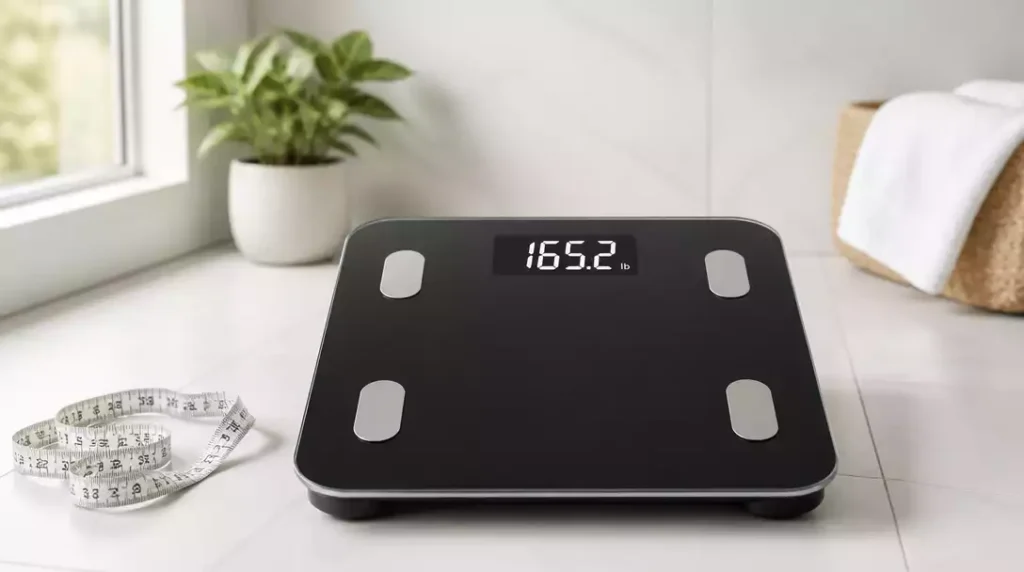
Have you ever found yourself questioning the accuracy of your scale? You’re not alone. Understanding the potential pitfalls can save you from unnecessary frustration and help you track your health more effectively.
What You Will Learn
- Environmental factors like humidity and temperature can impact scale accuracy.
- Low battery life is a common cause of inaccurate readings; ensure batteries are fresh.
- Always place your scale on a stable, flat surface for correct measurements.
- Frequent error messages or drastic weight fluctuations may indicate a need for calibration.
- Regular maintenance, including cleaning and proper storage, is essential for long-term accuracy.
Why Your Scale is Off
If you’ve ever stepped on your scale and been confused by the reading, you’re not alone! Several factors can cause inaccuracies in scale measurements. Whether the issue lies in environmental conditions, battery health, or the stability of the surface on which the scale rests, it’s crucial to pinpoint the culprit.
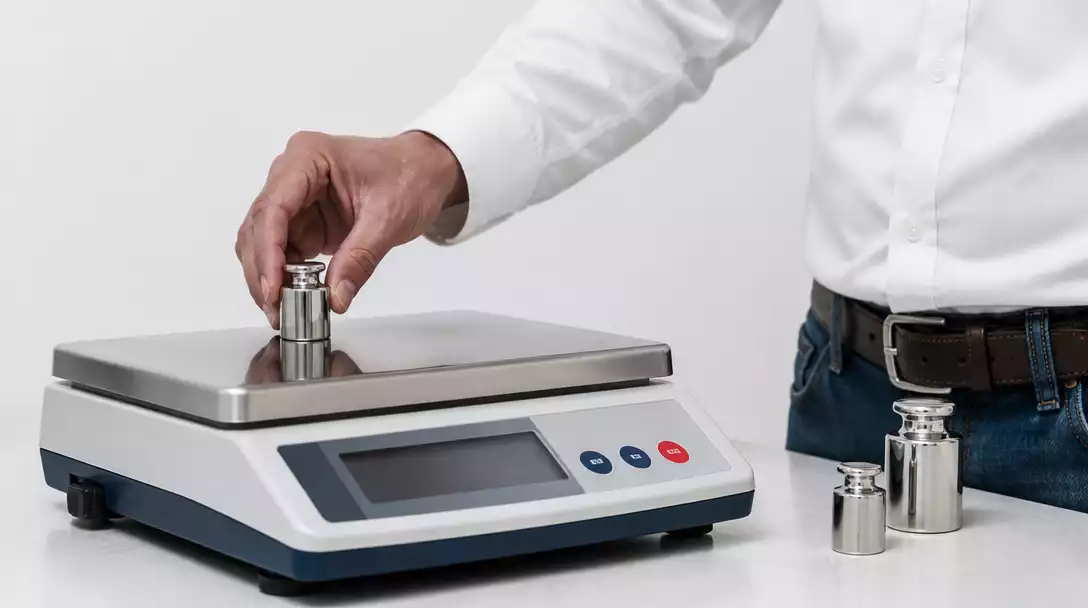
Let’s dive into some common reasons your scale might not be giving you accurate readings:
- Environmental Conditions: Humidity and temperature can affect how your scale operates. Extreme conditions may cause components to expand or contract, leading to inaccurate readings.
- Battery Issues: Low batteries are a frequent cause of scale inaccuracies. If your scale uses batteries, make sure they’re fresh and properly installed. For detailed instructions on changing batteries, refer to our guide on how to change battery in a digital scale.
- Surface Stability: A scale should always be placed on a flat, stable surface. Uneven or soft surfaces can cause the scale to give incorrect weight readings.
Being aware of these factors can save you from unnecessary frustration and help ensure you get the accurate measurements you need.
When to Consider Calibration or Replacement
Knowing when to calibrate or replace your scale can save you time and money. If you’re experiencing persistent inaccuracies or strange error messages, it might be time to take action.
Here are some signs that your scale may need calibration or possibly replacement:
- Frequent Error Messages: If your scale is displaying errors repeatedly, it’s a clear indication something is wrong.
- Weight Fluctuations: If your weight seems to vary drastically without any changes in your lifestyle, your scale may need calibration. Learn more about how to calibrate a digital scale to ensure accuracy.
- Physical Damage: Cracks or damage to the scale itself can affect its functionality. If you notice physical issues, replacement may be necessary.
Don’t hesitate to troubleshoot or reach out for professional help if you’re unsure! Keeping your scale in top shape ensures you can track your health effectively.
Pro Tip
To enhance the accuracy of your scale, consider placing a small level tool on top before weighing yourself. This will ensure that your scale is perfectly leveled, avoiding any discrepancies caused by uneven surfaces.
Ensuring Long-term Accuracy and Performance
To keep your scale performing at its best, it’s essential to follow best practices for maintenance. Regular checks and attention to environmental factors can make a significant difference in accuracy over time.
You’ll want to create a routine to assess your scale’s performance. This includes checking its calibration periodically and being mindful of where you store it.
Scale Maintenance Essentials
Taking care of your scale can help you avoid common issues and extend its life. Here are some key maintenance tips:
- Clean Regularly: Use a soft, damp cloth to wipe down the surface and remove any dust or debris. For specific types of scales, you can find guides like how to clean a food scale.
- Store Properly: Keep your scale in a dry, stable environment away from extreme temperatures and moisture.
- Check for Wear: Regularly inspect the scale for any signs of damage or wear, especially the battery compartment.
By staying on top of these maintenance tasks, you’ll ensure that your scale remains accurate and reliable. Remember, a little care goes a long way in preventing larger issues!
Frequently Asked Questions (FAQs)
- Q: Why might my scale give inaccurate readings?
- A: Several factors can cause inaccuracies, including environmental conditions (humidity, temperature), low battery life, and unstable or uneven surfaces.
- Q: How can environmental conditions affect my scale?
- A: Extreme humidity and temperature can cause internal components of the scale to expand or contract, leading to fluctuations in readings.
- Q: What are the signs that my scale needs calibration or replacement?
- A: Look out for frequent error messages, drastic and unexplained weight fluctuations, or any visible physical damage to the scale.
- Q: How often should I clean my scale?
- A: It’s recommended to clean your scale regularly with a soft, damp cloth to remove dust and debris, which helps maintain its accuracy and extends its lifespan.
- Q: Where is the best place to store my scale for optimal performance?
- A: Store your scale in a dry, stable environment away from extreme temperatures and moisture to prevent damage and maintain accuracy.
Final Thoughts on Scale Calibration and Troubleshooting
In summary, taking the time to fix your scale and maintain its performance is crucial for achieving accurate readings. Remember to regularly calibrate, check for errors, and follow the maintenance tips we’ve discussed.
We encourage you to take proactive measures to ensure the accuracy of your scale. If you’ve faced different scale issues, feel free to share your experiences or reach out for further advice!
Recap of Key Points
Here is a quick recap of the important points discussed in the article:
- Environmental Conditions: Humidity and temperature can affect scale accuracy.
- Battery Health: Ensure your scale has fresh batteries to avoid inaccuracies.
- Surface Stability: Place your scale on a flat, stable surface for accurate readings.
- Calibration or Replacement Signs: Look for frequent error messages, weight fluctuations, or physical damage.
- Maintenance Essentials: Clean regularly, store properly, and check for wear to extend your scale’s lifespan.





