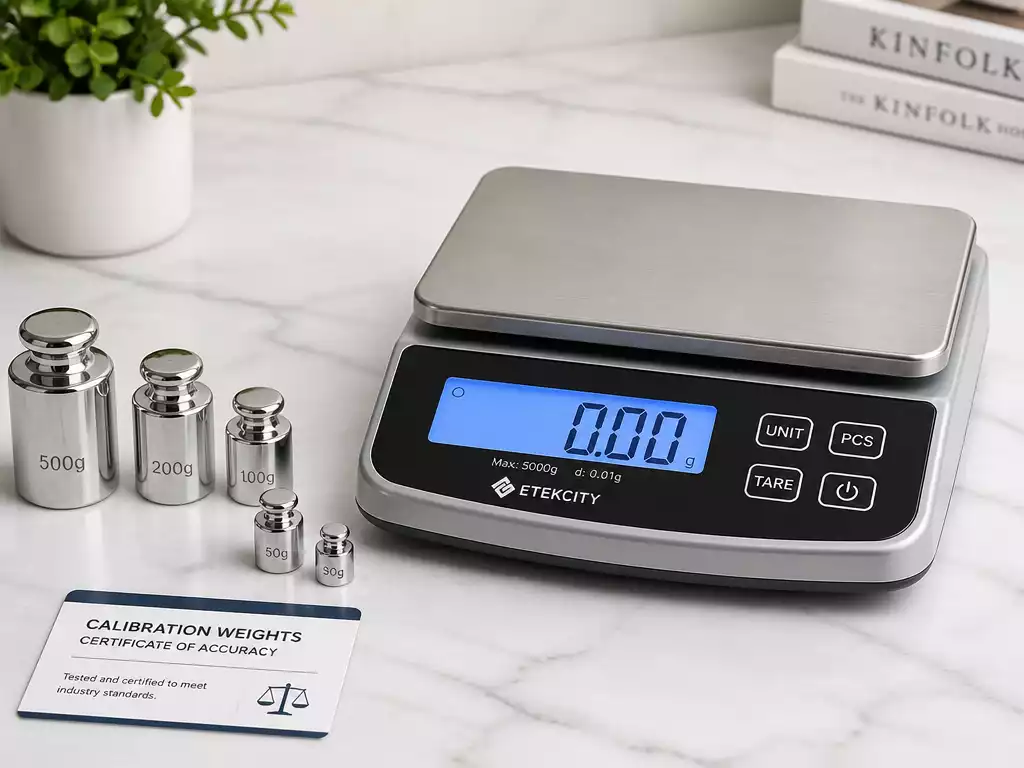
Have you ever wondered how the accuracy of your digital scale impacts your daily life? From cooking to health tracking, calibration is the key to reliable measurements.
What You Will Learn
- Calibration is essential for accurate measurements, affecting everything from cooking to weight management.
- Different scales require specific calibration practices, tailored to their unique uses, such as pocket, bathroom, and kitchen scales.
- Calibration should be performed after moving the scale or noticing inconsistent readings to maintain accuracy.
- Choosing the right certified calibration weight is crucial for achieving precise measurements and avoiding errors.
- Establishing a stable environment for calibration helps enhance the reliability of your scale’s readings.
- Regular maintenance, including cleaning and battery checks, contributes significantly to long-term accuracy.
Understanding Digital Scale Calibration
Calibration is crucial for ensuring accurate measurements with various types of digital scales, including pocket scales, bathroom scales, and kitchen scales. Without proper calibration, the readings can be misleading, affecting everything from your weight management goals to precise ingredient measurements in cooking. Accurate calibration not only enhances the reliability of your scale but also assures that you’re making informed decisions based on trustworthy data!
Imagine weighing a recipe’s ingredients using a kitchen scale that hasn’t been calibrated in ages—talk about a recipe for disaster! Each scale type has its unique calibration needs, which is why understanding the importance of calibration is essential for anyone who relies on these devices.
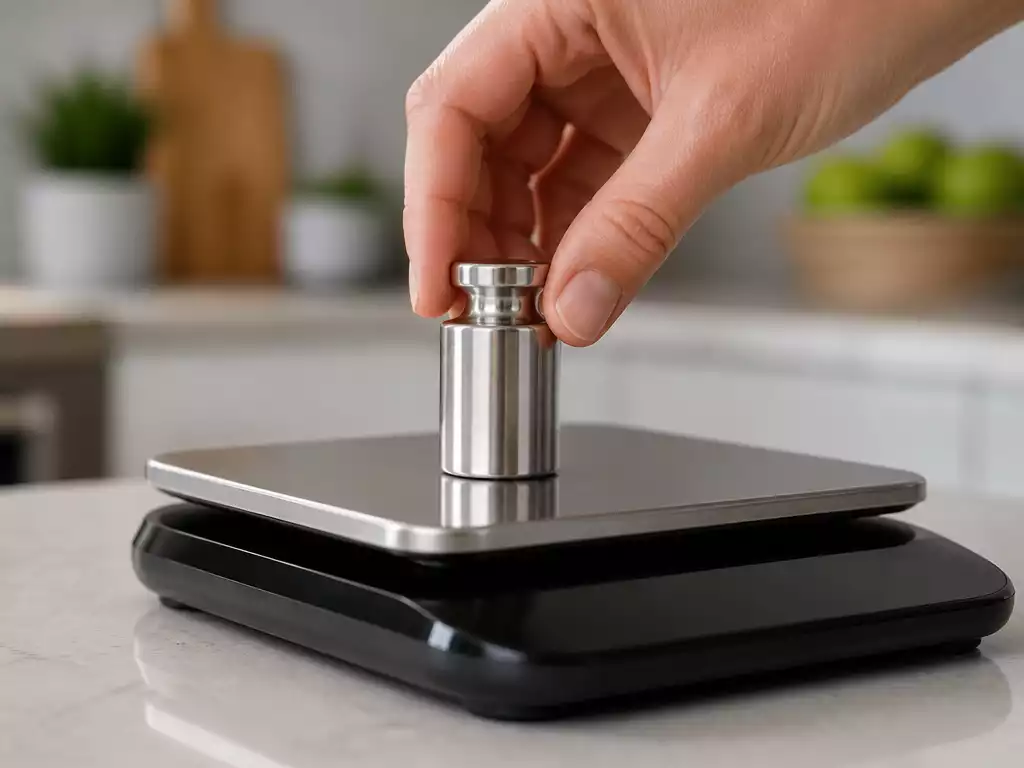
The Importance of Accurate Measurements
Different scales serve different purposes, and the need for accuracy varies. For instance, a kitchen scale needs to be spot-on for baking, while a bathroom scale plays a significant role in tracking health metrics. Here are a few reasons why calibration is vital for each type:
- Pocket Scales: Often used for small measurements, calibration ensures precision in weighing precious items.
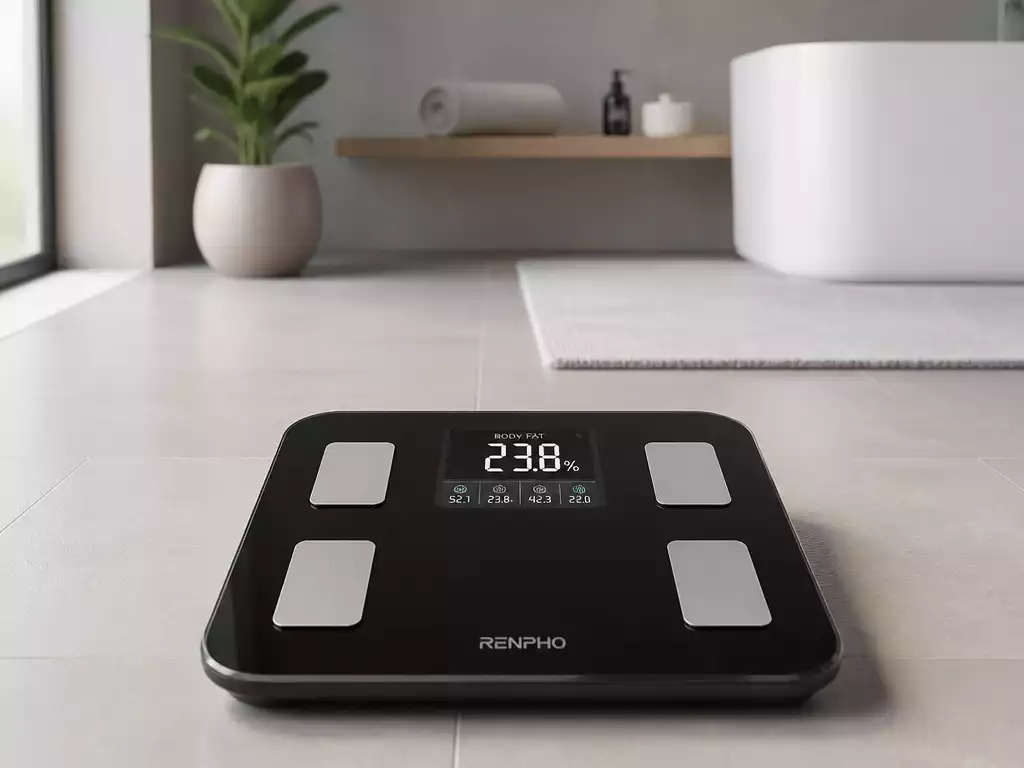
- Bathroom Scales: Accuracy is key for monitoring weight loss or gain; even slight inaccuracies can lead to significant misinterpretations.
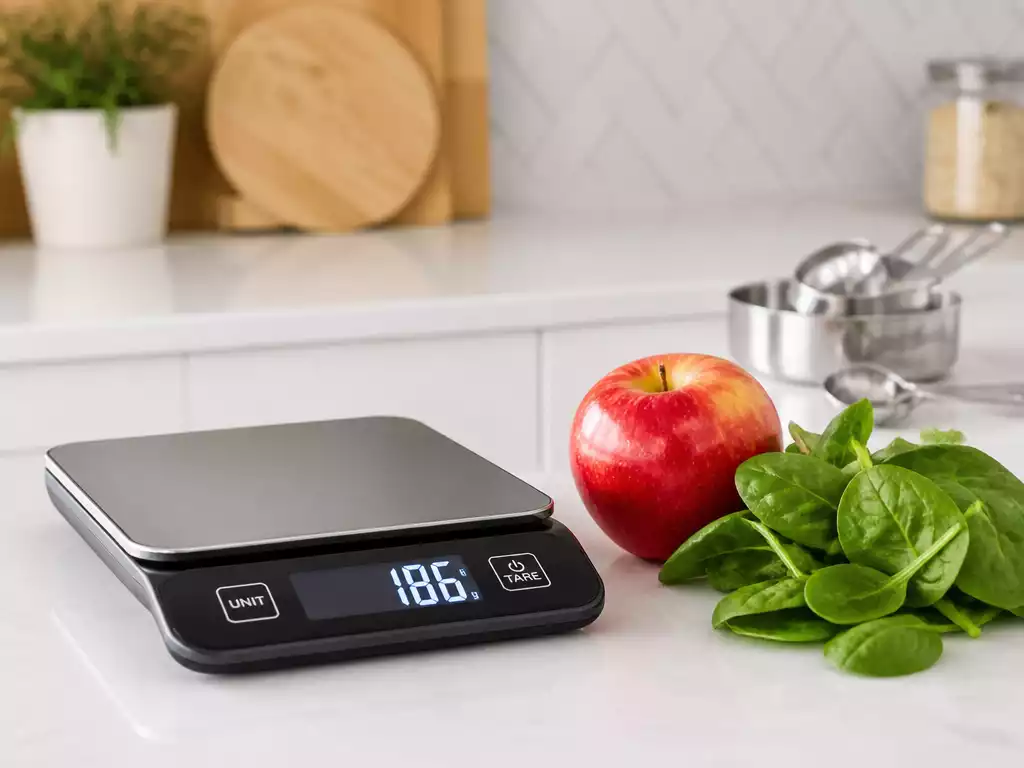
- Kitchen Scales: In cooking and baking, precise measurements are essential for achieving the right flavors and textures.
Calibration helps maintain the integrity of the measurements across these types of scales, giving you confidence in the numbers you see every day. So, whether you’re weighing out flour or checking your weight, a properly calibrated scale is non-negotiable!
When Calibration Is Necessary
Knowing when to calibrate your scale can save you from unnecessary frustration. Generally, calibration is required after certain events, such as:
- Moving the scale to a different location.
- Changing batteries or power sources.
- Noticing inconsistent readings over time.
It’s a good practice to calibrate your scale regularly or whenever you notice any discrepancies. However, if you’re using your scale in a stable environment without any of these changes, you might skip the calibration. Just remember that even the best scales can drift over time, so it’s always wise to check.
Preparing for Calibration
Now that we understand why calibration is important, let’s discuss how to prepare for it. Preparing correctly can make the process smoother and more reliable.
Choosing the Right Calibration Weight
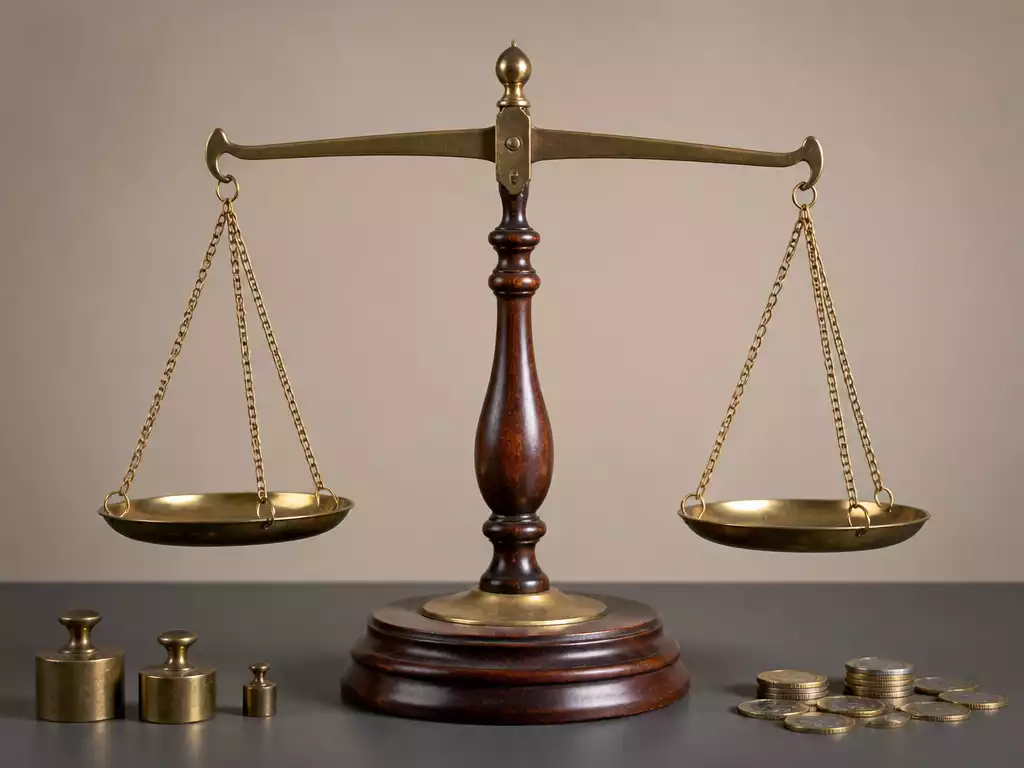
The first step in preparing for calibration is selecting a certified calibration weight that matches the scale’s capacity and precision. It’s essential to use weights that are accurately measured and certified, as this ensures that you achieve the best calibration results.
- Capacity: Choose a weight that is close to the maximum capacity of your scale.
- Precision: Ensure the weight is suitable for the level of accuracy your scale requires.
- Certification: Use weights that come with certification from recognized standards, like NIST.
By carefully choosing the right weight, you’re already on your way to achieving accurate measurements. It might seem like a small detail, but it plays a significant role in the overall calibration process!
Understanding Calibration Standards and Certificates
Following established calibration standards is essential for maintaining accuracy and reliability. The National Institute of Standards and Technology (NIST) guidelines offer a framework for calibration that helps ensure consistency across various scales.
Obtaining calibration certificates is equally important. A certificate demonstrates that your scale has been calibrated against recognized standards and provides proof of accuracy. When purchasing calibration weights or scales, look for those that come with these certificates—it’s an added layer of assurance that you’re investing in quality.
Setting Up a Stable Calibration Environment
Before you start calibrating, it’s crucial to set up a stable environment. Make sure you have a flat, stable, and clean surface to place your scale. Uneven or unstable surfaces can lead to inaccurate readings.
- Flat Surface: Ensure the surface is level and free of any debris.
- Stable Base: Avoid areas prone to vibrations or movement.
- Cleanliness: Wipe down the scale and surrounding area to prevent dust or residue from affecting measurements.
A clean and stable environment can make all the difference in achieving accurate calibration results. After all, a little preparation goes a long way in ensuring your scale performs optimally!
Pro Tip
Did you know? Regularly testing your scale’s accuracy with a certified calibration weight can help identify any drift over time. This simple practice not only assures you of your measurements but can also save you from costly mistakes in cooking and health tracking!
Common Calibration Missteps and How to Avoid Them
Calibration can be tricky, and even seasoned users can make mistakes. One common misstep is not paying attention to the calibration weight selection. Using a weight that doesn’t match your scale’s design can lead to inaccurate readings. This step is crucial, as it can affect everything from pocket scales to larger kitchen scales.
To avoid this mistake, make sure you choose a certified weight that is appropriate for your scale’s capacity and precision. It’s better to err on the side of caution and double-check! Remember, using the right weights ensures the reliability of your measurements.
Understanding Calibration Weight Selection
Selecting the right calibration weight is essential for accuracy. Here are a few factors to consider:
- Scale Capacity: Ensure the weight matches or is within the scale’s maximum capacity.
- Precision Required: Use a weight that reflects the precision level of your scale.
- Certification: Opt for weights that are certified to ensure compliance with standards.
Each weight you choose impacts your scale’s accuracy. By closely following these guidelines, you can help eliminate potential errors before they happen!
Recognizing Error Messages and Solutions
While calibrating your scale, you might encounter common error messages that can be confusing. Here are some of the most frequent ones and their solutions:
- ERR1: This often indicates an overload. Check if the weight is within the scale’s limits.
- ERR2: This could mean the scale is unstable. Make sure it’s on a flat surface.
- CAL: This means the scale is ready for calibration. Follow the prompts carefully!
Understanding these error messages can save you time and frustration. If you see an error, take a moment to troubleshoot it before proceeding. If you can’t resolve it, don’t hesitate to reach out for help!
Enhancing Your Calibration Knowledge
Frequently Asked Questions About Digital Scale Calibration
Q: How often should I calibrate my digital scale?
A: It’s generally recommended to calibrate your scale before its first use, after moving it to a new location, when batteries are changed, or if you notice inconsistent readings. Regular calibration helps maintain accuracy over time.
Q: What kind of weight should I use for calibration?
A: You should always use a certified calibration weight that matches your scale’s capacity and precision. Look for weights with certifications from recognized standards like NIST for reliable results.
Q: Can I use everyday objects to calibrate my scale?
A: While you might be able to get a rough estimate, using everyday objects is not recommended for precise calibration. Certified calibration weights ensure accuracy and adherence to proper standards.
Q: What does an “ERR1” message on my scale mean?
A: “ERR1” typically indicates an overload. This means the weight placed on the scale exceeds its maximum capacity. Remove the excess weight to resolve this error.
Q: Why is a stable environment important for calibration?
A: A stable, flat, and clean environment prevents vibrations, uneven surfaces, or debris from affecting the scale’s sensors, which could lead to inaccurate calibration and readings.
Many users have questions about how often they should calibrate their scales. Generally, it’s wise to calibrate:
- Before the first use.
- After moving the scale.
- When accuracy is in question.
Regular maintenance helps ensure your scale remains accurate over time. If you have more questions, feel free to drop them in the comments! I’m always happy to help.
Learning from User Experiences: Case Studies
Hearing from others can provide valuable insights. For instance, one customer shared how they struggled with their kitchen scale until they realized they weren’t using the correct calibration weight. After switching to a certified weight, their readings became spot-on!
Another user faced challenges with a pocket scale during travel. They learned to pack their calibration weights to ensure accuracy wherever they went. These stories emphasize the importance of proper calibration practices!
The Role of Scale Maintenance in Calibration Accuracy
Consistent maintenance is key to ensuring your scale stays accurate over the long term. Here are some best practices:
- Clean Regularly: Dust and debris can interfere with measurements, so keep your scale clean.
- Store Properly: Keep your scale in a safe, stable environment away from extreme temperatures.
- Check Batteries: Low battery levels can affect performance, so replace them when needed.
By incorporating these maintenance tips, you can help your scale perform at its best! Whether you’re weighing ingredients for a recipe or measuring your progress, an accurate scale is essential.
Final Thoughts on Digital Scale Calibration
To sum it up, proper calibration is essential for maintaining the accuracy of your digital scales. Remember to choose the right weights, pay attention to error messages, and keep up with maintenance. These practices will set you up for success!
I encourage you to implement these techniques and share any experiences or questions you have in the comments below. Your journey with calibration can help others too!
Recap of Key Points
Here is a quick recap of the important points discussed in the article:
- Calibration is crucial for accurate measurements across different types of digital scales.
- Regular calibration is necessary after moving scales, changing batteries, or noticing inconsistent readings.
- Always choose certified calibration weights that match the scale’s capacity and precision for optimal results.
- Setting up a stable calibration environment is essential to avoid inaccuracies.
- Understanding common error messages can help troubleshoot calibration issues effectively.
- Regular maintenance, including cleaning and proper storage, contributes to long-term scale accuracy.