What You Will Learn
- The importance of fishing scales for tracking your catch and promoting sustainable practices.
- Differences between digital and analogue fishing scales and how to choose the right one for your needs.
- Best practices for safely handling and weighing fish to minimize stress and ensure their well-being.
- Essential techniques for accurate weighing to support responsible fishing and conservation efforts.
- Factors to consider when selecting a fishing scale based on fish size, type of fishing, and required precision.
Fishing Scales: A Quick Overview
Fishing scales are essential tools for any angler who wants to keep track of their catch effectively. They allow you to measure the weight of the fish you’ve caught accurately, making them crucial for both personal records and competitive fishing. Knowing the weight of your fish can also help in making informed decisions about release practices and ensuring the sustainability of fish populations.
Using a fishing scale not only provides you with a sense of accomplishment but also allows you to share your fishing achievements with fellow enthusiasts. In my experience, having a reliable scale on hand can turn an ordinary fishing trip into an exciting challenge, as you strive to catch bigger and more impressive fish!
What is a Fishing Scale and Why is it Important?
A fishing scale is a device designed to measure the weight of fish. It plays a critical role in various fishing activities, from assessing the health of fish populations to determining the best practices for catch and release. By weighing your catch, you can contribute to important data that can help preserve fish species for future generations.
Moreover, understanding the weight of your catch allows you to celebrate milestones, such as personal bests or record-breaking catches. Plus, it’s a great way to compare your catches with friends, adding a bit of friendly competition to your fishing outings!
- Helps in understanding fish populations
- Encourages responsible fishing practices
- Enhances personal fishing records
- Fosters community engagement among anglers
In short, having a good fishing scale is vital for every angler who cares about their catch and the environment. It’s more than just a tool; it’s part of the fishing experience!
Types of Fishing Scales: Digital vs. Analogue
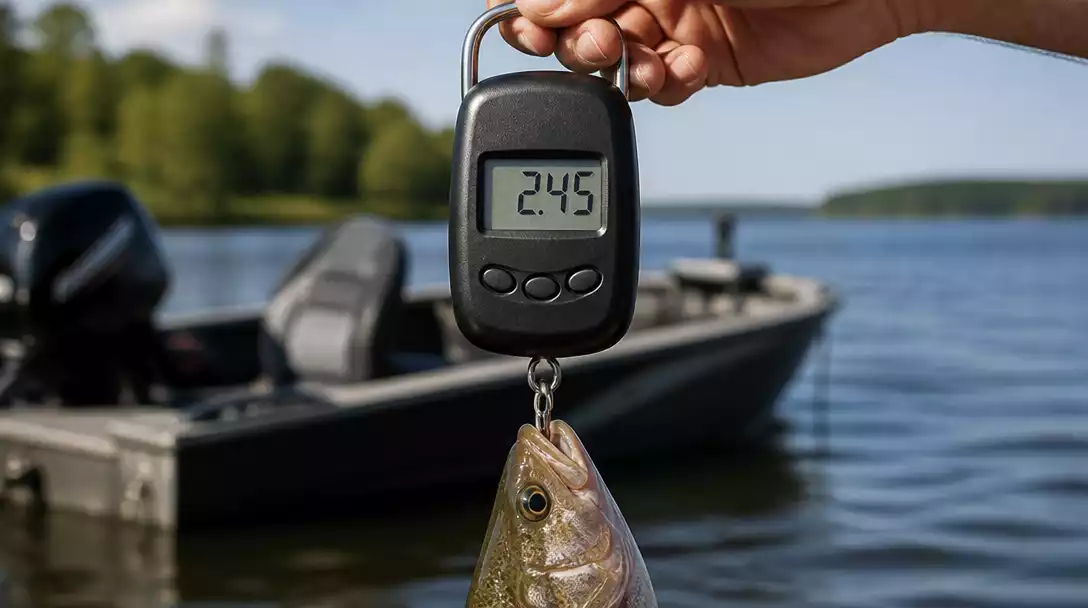
When it comes to fishing scales, you generally have two choices: digital and analogue. Each type offers its own set of advantages and disadvantages, depending on your preferences and fishing style. I’ve found that understanding the differences can help you select the right scale for your needs.
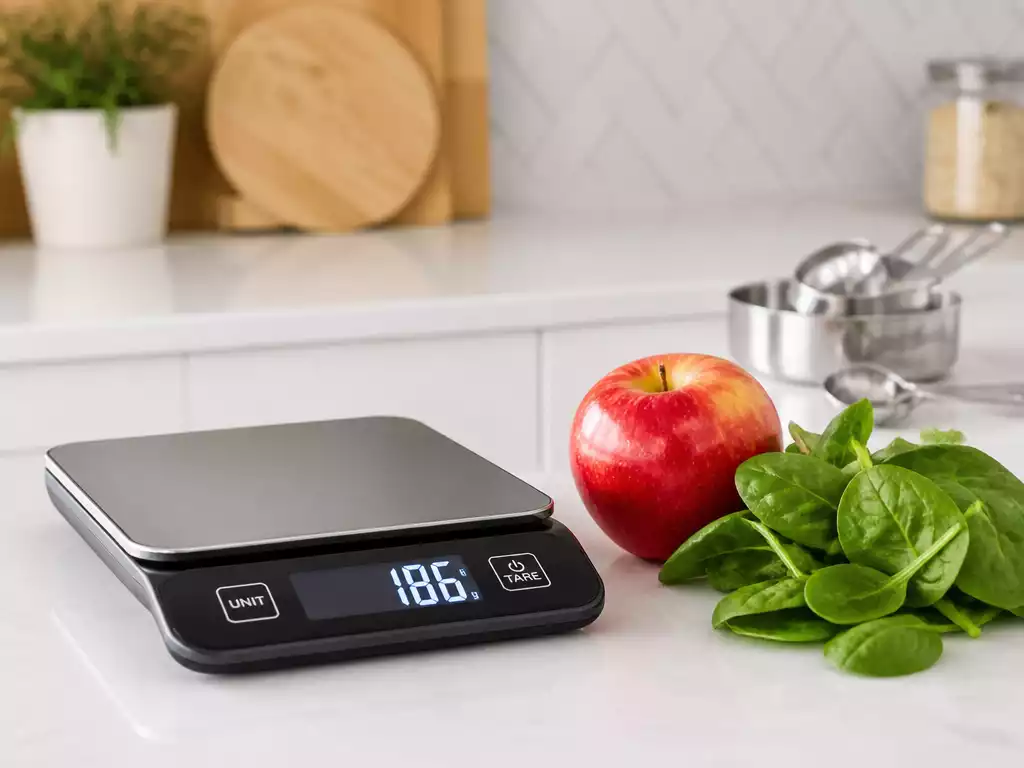
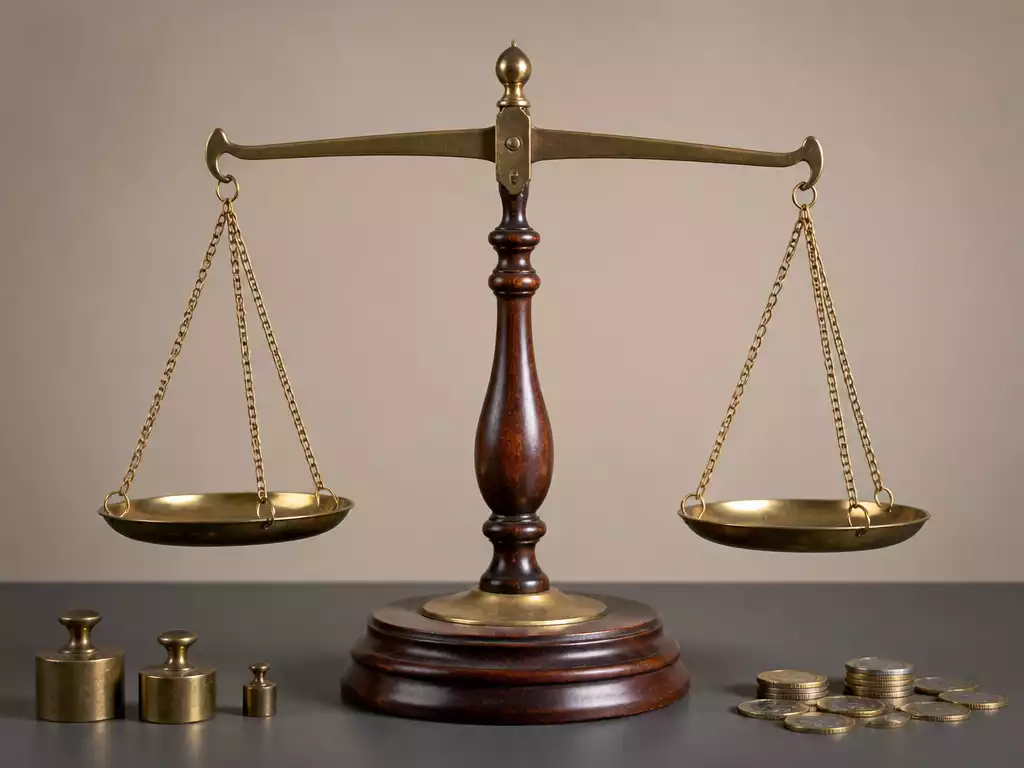
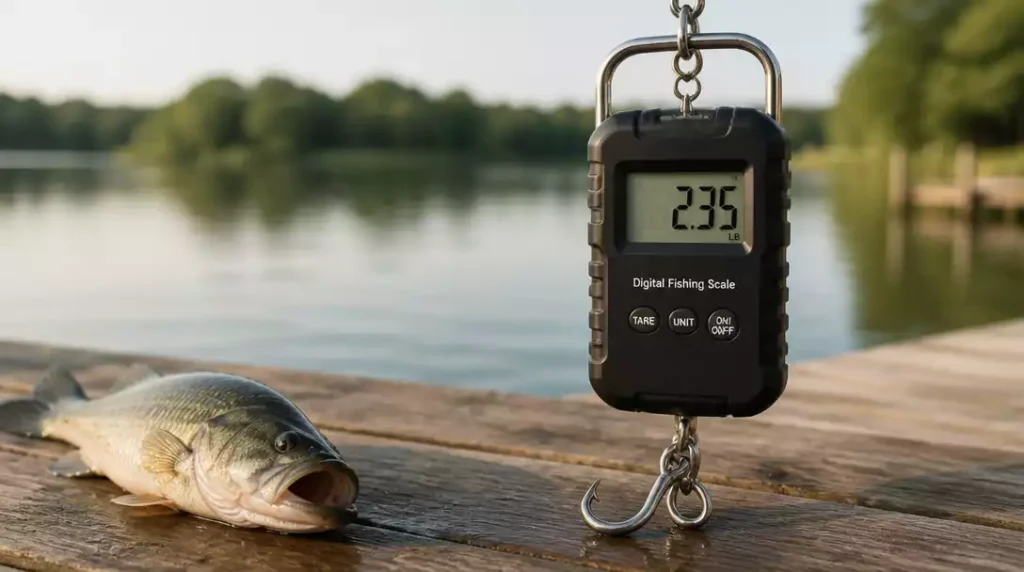
Digital fishing scales tend to be easier to read and often come with additional features like memory storage for past weights. They are generally more accurate and take less time to get a reading. For a deeper dive into how different types of scales work, you might find our guide on how a digital bathroom scale works insightful, as many principles apply universally. On the other hand, analogue scales are typically more straightforward and can be less expensive. They can also be more durable in wet conditions.
- Digital Scales: Quick readings, memory functions, battery-powered
- Analogue Scales: Simple design, often more durable, no batteries required
Ultimately, the choice between digital and analogue scales comes down to personal preference. Both can serve you well if you know how to use them effectively!
Pro Tip
Did you know? When weighing your fish, consider using a digital scale with a fish-friendly weigh sling. This not only provides accurate readings but also minimizes stress on the fish, ensuring it remains healthy for release. The right tools can enhance both your fishing experience and your commitment to sustainable practices!
Best Practices for Fish Handling and Weighing
When it comes to fishing, taking care of your catch is as important as the thrill of the chase. Proper fish handling ensures that your catch stays healthy and safe during weighing. Here are some best practices that I always follow when weighing my fish!
Ensuring Fish Safety Throughout the Weighing Process
Keeping fish safe and healthy during weighing is my top priority. I recommend these practices to ensure minimal stress on your catch:
- Use a weigh sling to support the fish properly.
- Keep the fish wet to prevent its skin from drying out.
- Limit handling time to reduce stress on the fish.
By following these tips, you can help your fish recover quickly after being weighed. A gentle approach goes a long way in maintaining its well-being!
Maintaining Accurate Readings for Responsible Fishing
Accurate readings are crucial for responsible fishing practices. When I measure my catch, I always keep these methods in mind:
- Ensure the scale is on a flat, stable surface.
- Tare the scale correctly before weighing.
- Allow the fish to settle before recording the weight.
These steps help me obtain reliable measurements, which is important for tracking the health of fish populations and ensuring sustainability.
Understanding Catch and Release Practices for Sustainable Fishing
Catch and release is a practice I hold dear, as it helps preserve our fish populations. Here’s how you can practice it responsibly:
- Use barbless hooks to minimize injury.
- Handle fish with wet hands or gloves to protect their slime layer.
- Revive fish in the water before releasing them.
Implementing these practices not only benefits the fish but also supports the future of our fishing spots. Every little effort counts!
Choosing the Right Fishing Scale for Your Needs
Selecting the right fishing scale can make a significant difference in your fishing experience. I always consider a few factors to ensure I choose the best one for my needs.
Factors to Consider: Fish Size, Type, and Precision
When choosing a fishing scale, think about the following factors:
- Size of the fish you’re typically catching.
- Type of fishing you do (freshwater vs. saltwater).
- Level of precision you require (for tournaments or personal records).
These considerations help me find the perfect scale that matches my fishing style and needs.
Comparison of Digital vs. Analogue Scales: Which is Right for You?
Deciding between digital and analogue scales can be tricky. Here’s a quick comparison to help you choose:
- Digital Scales: Offer precise readings and are usually easier to read.
- Analogue Scales: Tend to be more durable and don’t require batteries.
Both types have their pros and cons, so it’s essential to select one that fits your preferences and fishing habits!
Evaluating Fishing Tools: What Works Best for Your Fishing Style?
Different fishing styles call for different tools. Here’s a list of tools I consider when evaluating which fishing scale to use:
- Durability and resistance to water damage.
- Ease of transport and storage.
- Features such as memory functions for recording weights.
By evaluating these aspects, you can enhance your fishing experience and ensure that you have the right tools for successful catches!
Frequently Asked Questions About Fishing Scales
Here are some common questions about fishing scales and their use:
- Q: Why are fishing scales important?
- A: Fishing scales are important for accurately measuring the weight of your catch, which helps in personal record-keeping, competitive fishing, and making informed decisions about catch and release to support sustainable fishing practices.
- Q: What is the difference between digital and analogue fishing scales?
- A: Digital scales provide quick, precise readings and often include features like memory storage, powered by batteries. Analogue scales are simpler, generally more durable in wet conditions, and do not require batteries.
- Q: How can I ensure fish safety during weighing?
- A: To ensure fish safety, use a weigh sling to support the fish, keep it wet to prevent skin drying, and limit handling time to minimize stress. These practices help the fish recover quickly after being weighed.
- Q: What are best practices for accurate weighing?
- A: For accurate readings, ensure the scale is on a flat, stable surface, tare the scale correctly before weighing, and allow the fish to settle before recording its weight. This helps in obtaining reliable measurements for tracking fish populations and sustainability efforts.
- Q: What factors should I consider when choosing a fishing scale?
- A: Consider the typical size and type of fish you catch, whether you fish in freshwater or saltwater, and the level of precision required (e.g., for tournaments vs. personal records). These factors will help you choose a scale that matches your specific fishing needs.
Summary and Next Steps for Successful Fishing
Now that we’ve covered the essentials of fish weighing and handling, let’s recap what you should keep in mind. Following these best practices will not only help you weigh your fish accurately but also ensure their safety.
Recap of Key Techniques for Using a Fishing Scale
To summarize, remember to:
- Use a weigh sling and keep fish wet.
- Maintain scale accuracy by taring properly. For tips on how to properly zero out a scale, check out our guide on how to set a digital scale to zero.
- Opt for the right scale based on your fishing style.
These techniques will help you become a more responsible angler!
Encouragement to Practice and Prioritize Fish Welfare
I encourage you to practice these techniques often! The more you handle fish responsibly, the better you’ll get at it. Prioritizing fish welfare fosters a healthier ecosystem for everyone.
Exploring Local Fishing Spots and Resources for Further Learning
Lastly, explore local fishing spots and connect with others in your community. You can share tips, learn new practices, and discover new areas. For insights into other types of specialized scales, you might be interested in how to use a bow scale. Happy fishing, and may your catch always be plentiful!
Recap of Key Points
Here is a quick recap of the important points discussed in the article:
- Fishing scales are essential for measuring the weight of your catch, aiding in personal records and sustainable fishing practices.
- Use a weigh sling and keep the fish wet to ensure its safety during weighing.
- Maintain scale accuracy by taring properly and allowing the fish to settle before recording the weight.
- Choose between digital and analogue scales based on your fishing style and preferences.
- Practice responsible catch and release techniques to promote healthy fish populations.