Have you ever wondered how precision in measurements can impact both cooking and scientific experiments? Understanding the functionality of a balance scale can transform the way you approach measurements in various fields!
What You Will Learn
- Balance scales measure weight by comparing an object’s mass against known weights, ensuring accurate results.
- Different types of balance scales exist, including mechanical, digital, and analytical, each suited for specific tasks.
- Proper calibration and stabilization of the balance scale are essential for achieving reliable measurements.
- Practicing with various weights can enhance your confidence and expertise in using a balance scale effectively.
Understanding the Functionality of a Balance Scale
A balance scale is an essential tool in various fields, from culinary arts to laboratory experiments. Its primary function is to measure weight by balancing the object being weighed against a known weight. This simple yet effective mechanism allows us to obtain precise measurements that are crucial for accuracy in many applications!
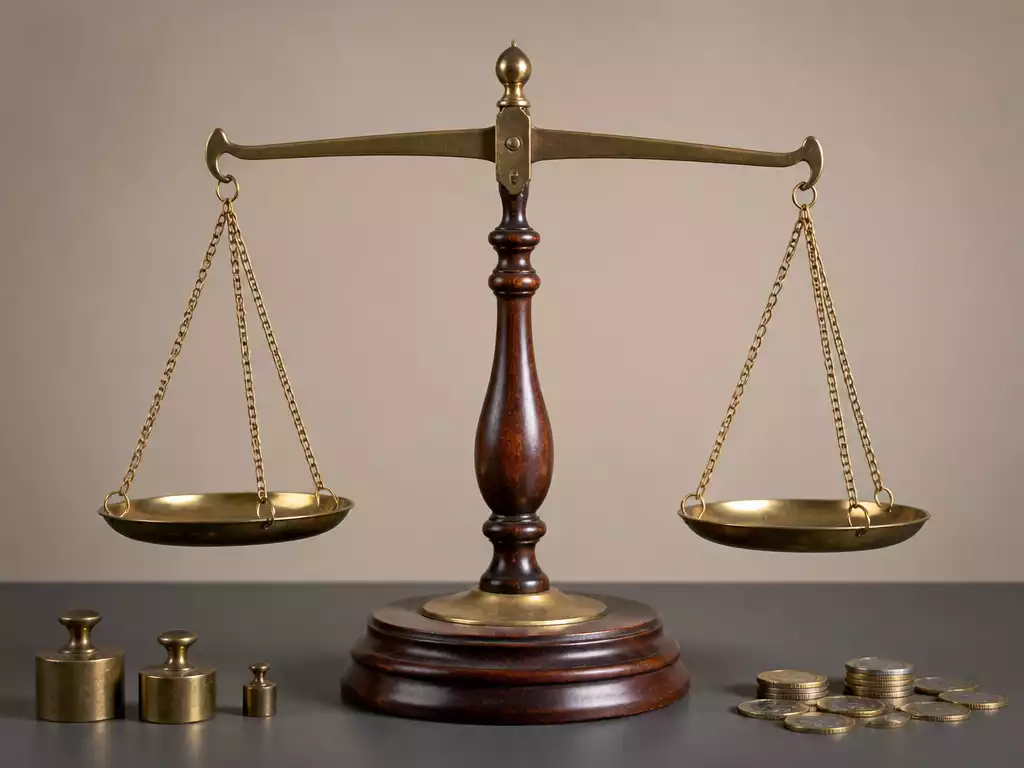
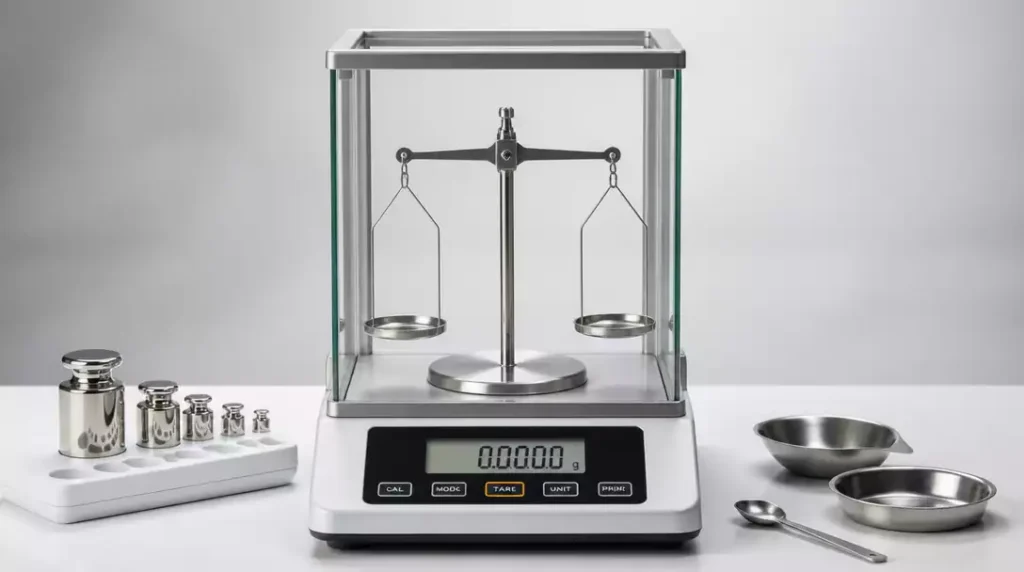
Typically, a balance scale consists of a beam supported at the center, with pans or platforms at both ends. When an object is placed on one side, it creates a tilt, which can be adjusted by adding weights to the other side until balance is achieved. The point of equilibrium indicates the weight of the object being measured.
What is a Balance Scale and How Does It Work?
Balance scales operate on the principle of equilibrium. When an object is added to one side, the scale measures the weight by adjusting until both sides are equal. This balance can be visually checked by observing the position of the beam. In essence, balance scales provide accurate weights by comparing two forces acting on the beam.
- The beam pivots on a fulcrum at its center.
- The scale can be calibrated with standard weights.
- They are used in various applications, including cooking and scientific research.
With the right adjustments, balance scales are incredibly reliable. They offer an effective solution for anyone in need of precise measurement, whether in a laboratory or at home! To learn more about how different types of scales work, check out our guide on how a scale works.

Types of Balance Scales: Mechanical, Digital, and Analytical Balances
There are several types of balance scales, each designed for specific weighing needs. Here’s a quick rundown on the common types:
- Mechanical Balances: These are traditional scales that use a beam and weights.
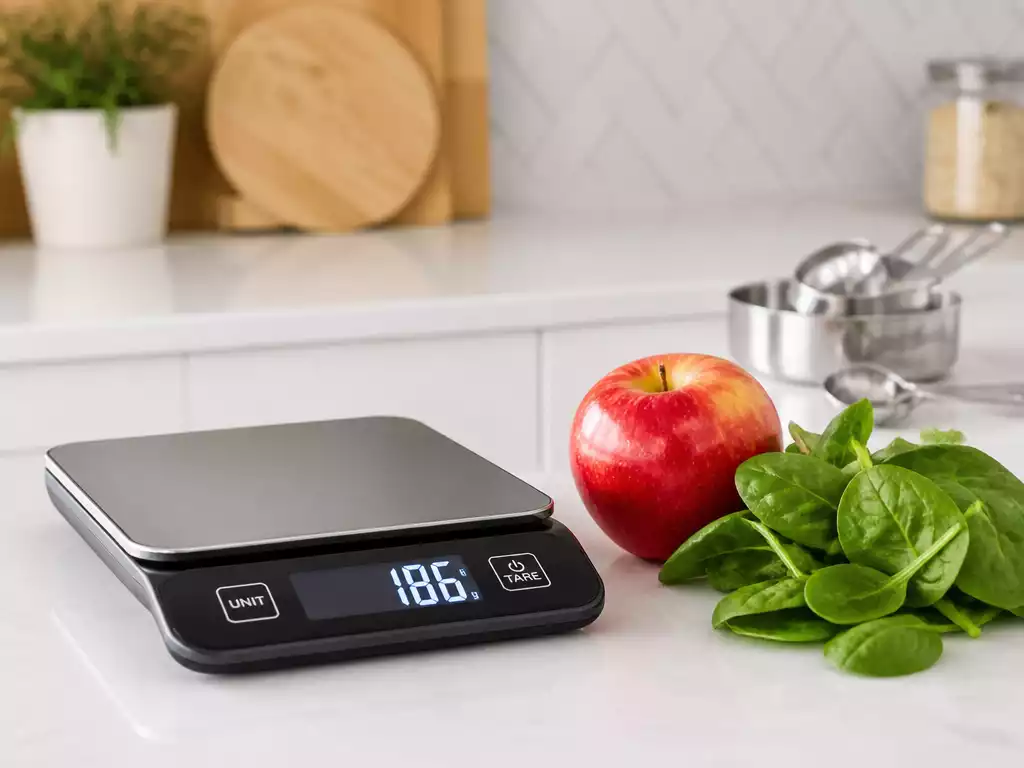
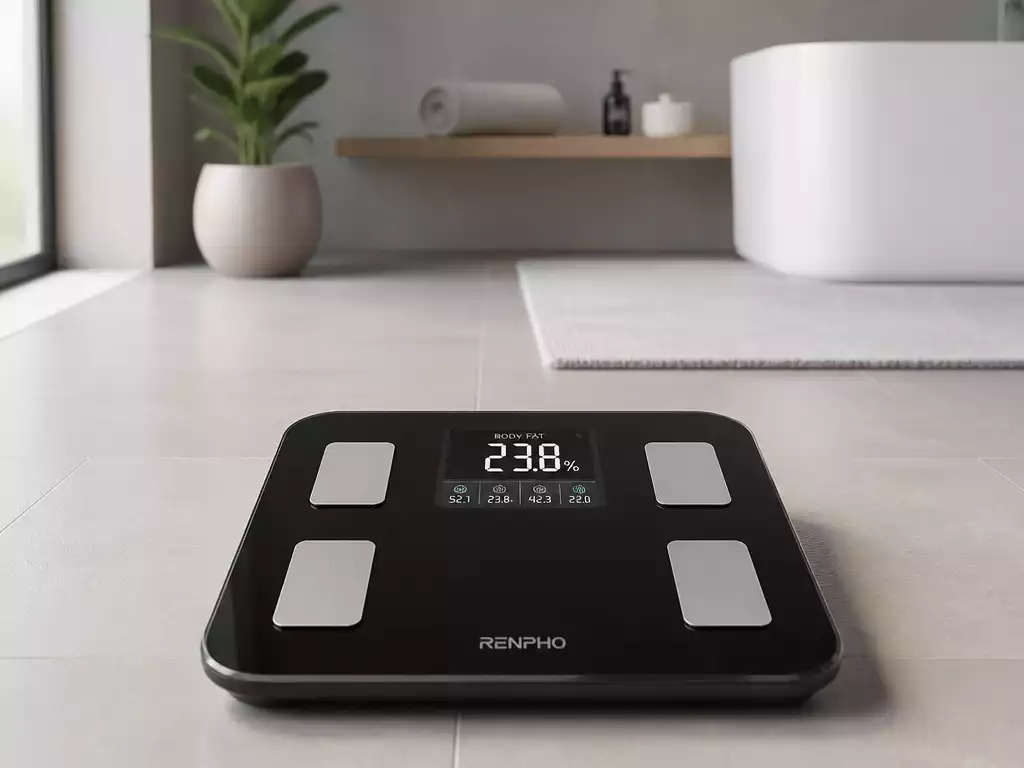
- Digital Balances: These modern scales provide electronic readouts for easier use.
- Analytical Balances: These are highly sensitive and used for precise measurements in laboratories.
Each type has its own strengths and weaknesses, making it essential to choose the right one based on your specific requirements. For example, while analytical balances are perfect for small quantities, digital balances are often more user-friendly in a home setting. If you’re using a digital scale, it’s helpful to know how to set a digital scale to zero for accurate readings.
Understanding Beam Balance and Its Applications
A beam balance is a classic type of mechanical scale that has stood the test of time. It consists of a horizontal beam with two pans suspended from either end. Beam balances are particularly useful in educational settings and laboratories due to their simplicity and reliability.
- Commonly used in chemistry labs for measuring substances.
- Helpful in cooking for precise ingredient measurements.
- Great for educational demonstrations in physics and science classes.
In my experience running a small kitchen supply store, I’ve seen how beam balances can enhance both cooking accuracy and educational experiences. They not only offer functionality but also a sense of nostalgia for traditional weighing methods!
Pro Tip
Did you know? Regularly checking the level of your balance scale can significantly impact your accuracy. A scale that is not level can lead to incorrect readings. To ensure optimal performance, use a spirit level to check that your scale is perfectly horizontal before weighing!
Summary of Key Points on Using a Balance Scale
In this article, we’ve covered the essential aspects of utilizing a balance scale effectively. From the initial setup to weighing techniques, it’s clear that accuracy is key when measuring items. Remember to calibrate your scale properly and ensure it’s tared before you start weighing, as this lays the groundwork for precise results.
Here are some essential tips to keep in mind:
- Always place your balance on a flat, stable surface.
- Calibrate regularly to maintain accuracy.
- Use the tare function to exclude the weight of containers.
- Allow the scale to stabilize before taking readings.
These steps will not only improve your precision but also enhance your confidence in using the scale for various applications, whether in the kitchen or a professional lab setting!
Encouragement to Practice for Improved Accuracy
Practice makes perfect, especially when it comes to using a balance scale. Don’t hesitate to experiment with different weights and materials to understand how your scale responds. The more you use it, the better you’ll become at interpreting the results and ensuring accurate measurements!
Consider setting up practice sessions where you weigh common household items. This will help you get comfortable with the scale’s features and functionality:
- Start with small objects like spices or grains.
- Progress to larger items such as fruits or kitchen tools.
- Keep a log of your measurements to track your improvement.
The more familiar you are with your balance scale, the more you’ll appreciate its role in achieving reliable measurements!
Frequently Asked Questions (FAQs) About Balance Scales
Here are some commonly asked questions about balance scales and their use:
- What is the primary function of a balance scale?
The primary function of a balance scale is to measure weight by comparing an object’s mass against a known weight, achieving equilibrium for precise results. - What are the main types of balance scales?
The main types are mechanical balances (traditional beam and weights), digital balances (electronic readouts), and analytical balances (highly sensitive for laboratory precision). - Why is calibration important for a balance scale?
Calibration is essential to maintain accuracy. Regular calibration ensures the scale provides reliable and correct measurements, preventing errors in results. - How can I improve my accuracy when using a balance scale?
To improve accuracy, always place the scale on a stable surface, calibrate it regularly, use the tare function for containers, and allow the scale to stabilize before taking readings. Consistent practice with various items will also enhance your skill. - Can a balance scale be used for both cooking and scientific experiments?
Yes, balance scales are versatile tools used in both culinary arts (for precise ingredient measurements) and scientific experiments (for accurate laboratory substance weighing), among other applications.
Next Steps and Additional Resources
Explore More About Balance Scales in Everyday Use: From Postal to Shipping Scales
As you become more adept at using your balance scale, you might find yourself curious about its broader applications. Balance scales are not just for laboratories; they play a significant role in various industries, including postal services and shipping. Understanding these contexts can help you better appreciate the versatility of your scale.
Consider looking into other types of scales that suit your specific needs, such as:
- Postal scales for mailing packages
- Shipping scales for logistics
- Kitchen scales for culinary tasks
Researching these options will certainly expand your knowledge and efficiency in weight measurement!
Frequently Asked Questions about Balance Scales and Their Applications
Many users have questions about balance scales, and I encourage you to seek out answers. Understanding common inquiries can foster greater confidence and skill in using these tools:
- What is the difference between digital and mechanical scales?
- How often should I calibrate my balance?
- Can I use a kitchen scale for laboratory work?
Finding answers to these questions can boost your overall understanding and enhance your experience. Plus, I’m always here to help with insights from my own experiences! For more on maintaining your scales, you might be interested in how to store a digital scale properly.
Educational Resources for Understanding Weighing Techniques
For those eager to dive deeper into weighing techniques, there are numerous resources available:
- Online tutorials and videos on balance scale usage.
- Guides on calibration methods and best practices.
- Community forums where you can ask questions and share experiences.
Don’t hesitate to explore these educational avenues! They can significantly aid in mastering your balance scale and ensuring you achieve the utmost accuracy with every measurement.
Recap of Key Points
Here is a quick recap of the important points discussed in the article:
- A balance scale measures weight by comparing it against a known weight for accuracy.
- Types of balance scales include mechanical, digital, and analytical, each serving specific needs.
- Essential tips for using a balance scale include placing it on a stable surface and calibrating regularly.
- Practice with different weights helps improve your understanding and accuracy when using the scale.
- Explore other applications of balance scales in various industries, from culinary to shipping.