Ever wondered how a simple spring can measure weight with such accuracy? Understanding the mechanics behind spring scales can greatly enhance your measurement precision and troubleshoot common issues that may arise during use.
What You Will Learn
- Spring scales measure weight through the tension of a spring, making them popular for various applications.
- Common issues affecting accuracy include mechanical wear, calibration drift, and environmental factors like temperature changes.
- Different types of spring scales exist, including mechanical, digital, and hanging scales, each serving specific purposes.
- Proper maintenance and regular calibration are essential to ensure accurate readings and performance consistency.
Spring Scales and Common Issues
Spring scales are essential tools in various applications, measuring weight or force based on the tension of a spring. They work on a simple principle: as weight is applied, the spring stretches, and this extension is measured against a calibrated scale. Understanding how these devices function helps in identifying issues that may arise, so let’s delve deeper into their workings!
When I first started using spring scales in my workshop, I was surprised by how they can be affected by various factors like temperature and wear. That’s why knowing the mechanics behind them is crucial for anyone relying on precise measurements.
What is a Spring Scale and How Does It Work?
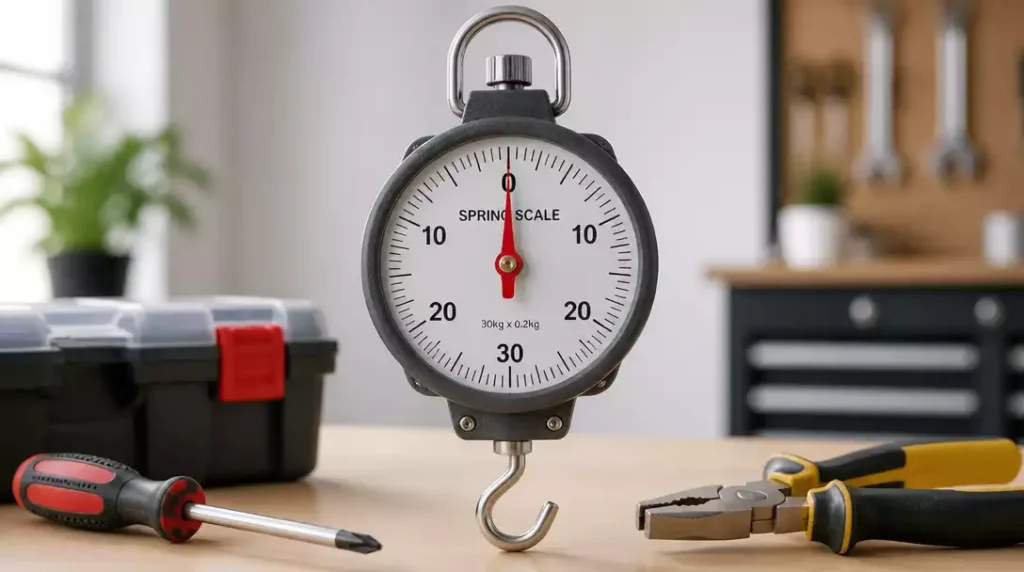
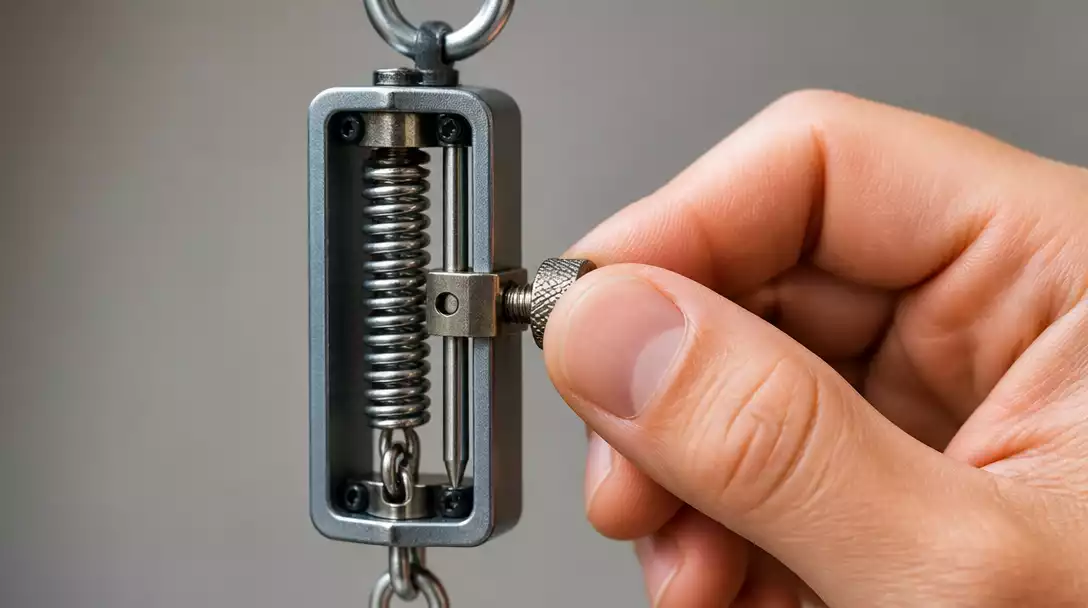
At its core, a spring scale consists of a spring fixed at one end with a hook or platform at the other, which holds the object being weighed. As weight is added, the spring extends, and the scale indicates the weight based on the linear relation between weight and spring extension. This straightforward mechanism makes them popular for educational purposes and in many industries. For a deeper dive into the mechanics, read our article on how a spring scale works.
- Design: Typically contains a hook, a dial, and a calibrated spring.
- Applications: Commonly used in schools, laboratories, and even for recreational activities like fishing.
- Limitations: Susceptible to inaccuracies if not properly maintained or calibrated.
It’s fascinating how such a simple tool can provide so much information! However, the accuracy of these scales can be compromised over time, which brings us to some common issues you might face.
Common Problems: Why Your Spring Scale Isn’t Accurate
Despite their reliability, spring scales can encounter several problems that may affect their accuracy. Some of the most frequent culprits include:
- Mechanical wear and tear: Springs can lose tension over time, resulting in inaccurate readings.
- Calibration drift: If not recalibrated, the scale may give false readings.
- Environmental factors: Changes in temperature and humidity can impact the scale’s performance.
Being aware of these factors can save you time and frustration. I remember a time when I was using my spring scale, and I couldn’t figure out why it was consistently off. After some research, I learned about calibration and environmental impacts, which helped me troubleshoot the issue! If you’re encountering consistent inaccuracies, you might find our guide on how to fix a scale that is off particularly helpful.
Exploring Different Types of Spring Scales and Their Uses
There are various types of spring scales, each designed for specific applications. Knowing which one to use can enhance your measurement accuracy and efficiency:
- Mechanical spring scales: Often used in educational settings for simple weight measurements.
- Digital spring scales: Provide electronic readouts, making them easier to read and often more precise.
- Hanging spring scales: Ideal for measuring larger objects or forces in industrial contexts.
Choosing the right spring scale can make all the difference in your projects. When I transitioned to using a digital spring scale, it felt like I had upgraded my workshop significantly! The clarity in readings and ease of use was a game changer.
Pro Tip
To ensure the longevity and accuracy of your spring scale, regularly perform maintenance checks. This includes cleaning the mechanism to remove any debris and recalibrating the scale at least once a month, especially if it is used frequently. Remember, a well-maintained spring scale can provide reliable readings for years!
Diagnosing Issues with Your Spring Scale
When it comes to using a spring scale, pinpointing the issues can sometimes feel daunting! However, knowing how to diagnose problems can save you time and frustration. Let’s dive into some common symptoms and what they mean for your spring scale’s performance.
Identifying Symptoms: When Your Scale Won’t Zero
If your scale won’t zero, it can lead to inaccurate measurements. This is a common problem that many users face! It’s essential to recognize the symptoms quickly to prevent further complications.
- Scale displays a constant number instead of zero
- Needle bounces back and forth without settling
- Unexpected weight readings when nothing is on the scale
Addressing the zero issue involves examining whether the scale is level and if there’s any obstruction affecting the mechanism. A careful inspection can usually highlight the root cause!
Needle Sticking or Stalling Issues
Sticking or stalling can be particularly frustrating. The needle might get stuck at a certain reading or refuse to move. This often stems from internal friction within the scale’s components.
- Debris or dirt in the scale mechanism
- Damaged or worn-out spring
- Problems with the needle pivot point
Cleaning the mechanism and ensuring it’s free from obstructions can often resolve these issues. If problems persist, the internal spring may need to be replaced.
Inconsistent Readings: What Causes Fluctuations?
Inconsistent readings can greatly impact your work, whether you’re weighing ingredients or measuring other items! This can occur for several reasons, and identifying the cause is crucial.
- Environmental factors like wind or vibrations
- Uneven surfaces that may affect the scale’s stability
- Worn-out components that affect the scale’s performance
To tackle these fluctuations, make sure the scale is on a flat surface and away from any disturbances. Regular maintenance can help keep readings consistent!
Understanding Scale Sensitivity and Its Impact on Readings
Scale sensitivity refers to the ability of the spring scale to detect small changes in weight. If your scale isn’t sensitive enough, it may not register slight changes as expected.
- Check the quality of the spring mechanism
- Ensure the scale is calibrated correctly
- Consider the weight range you’re using—overloading can affect sensitivity
By understanding how sensitivity impacts your readings, you can ensure your spring scale performs at its best. Regular calibration is key to maintaining accuracy!
Frequently Asked Questions About Spring Scales
- Q: How do spring scales measure weight?
- A: Spring scales measure weight by utilizing the tension of a spring. As weight is applied, the spring stretches, and this extension is directly proportional to the weight, which is then displayed on a calibrated scale.
- Q: What are the main reasons for inaccurate readings from a spring scale?
- A: Inaccurate readings can be caused by mechanical wear and tear (springs losing tension), calibration drift (not being recalibrated regularly), and environmental factors like changes in temperature and humidity.
- Q: What are the different types of spring scales?
- A: There are mechanical spring scales (simple, educational use), digital spring scales (electronic readouts, often more precise), and hanging spring scales (for larger objects or industrial use).
- Q: How often should I calibrate my spring scale?
- A: To ensure accuracy, it is recommended to recalibrate your spring scale at least once a month, especially if it is used frequently. Regular maintenance, including cleaning, is also important.
- Q: What should I do if my spring scale won’t zero?
- A: If your scale won’t zero, check if it is on a level surface and inspect for any obstructions affecting the mechanism. Cleaning the scale and ensuring it’s free from debris can often resolve this issue. If you have a digital scale, our guide on how to calibrate a digital scale might also be useful.
Recap of Key Points
Here is a quick recap of the important points discussed in the article:
- Spring scales measure weight based on the tension of a spring and are used in various applications.
- Common issues affecting accuracy include mechanical wear, calibration drift, and environmental factors.
- Different types of spring scales exist, including mechanical, digital, and hanging scales, each suited for specific tasks.
- Diagnosing problems like zero issues, needle sticking, and inconsistent readings can help maintain scale accuracy.
- Regular maintenance and calibration are essential for ensuring precise measurements with spring scales.