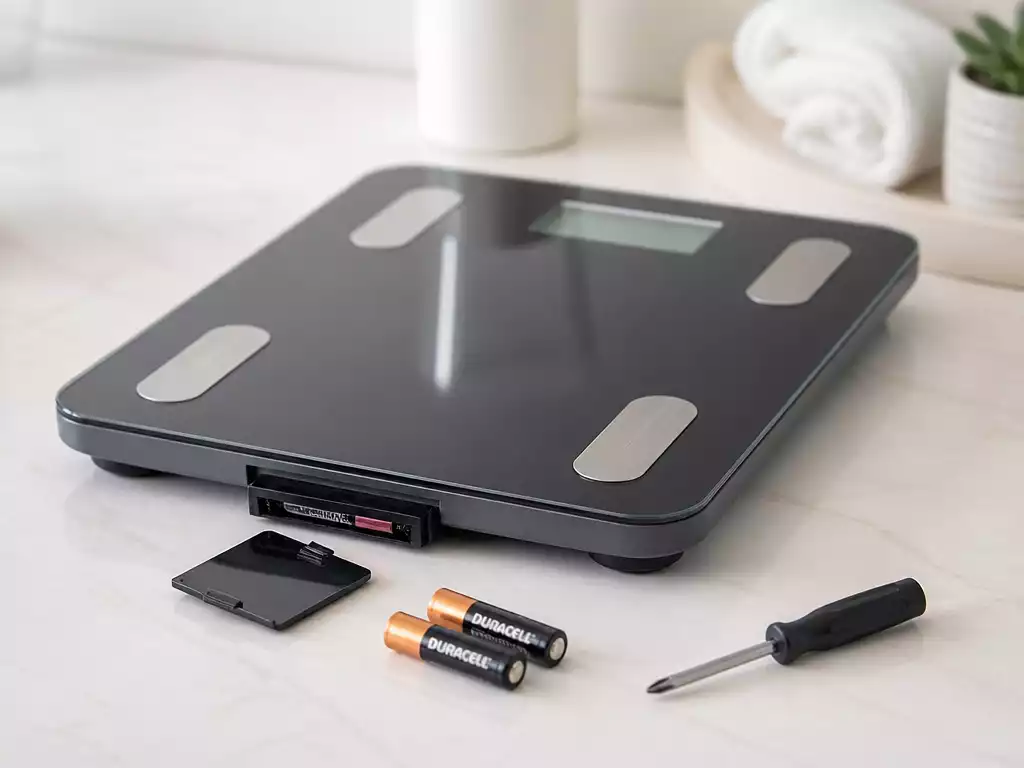
Have you ever wondered why your bathroom scale isn’t giving you accurate readings? The secret often lies in the battery powering the device. Understanding your scale’s battery needs is essential for maintaining its performance and ensuring you get reliable results every time you step on.
What You Will Learn
- Different types of batteries used in bathroom scales, including AAA and CR2032.
- Common signs that indicate your scale needs a new battery.
- Essential steps for changing your scale’s battery to ensure accurate readings.
- Features to consider when selecting a bathroom scale, including smart technology and body composition analysis.
Understanding Your Bathroom Scale Battery Needs
When it comes to keeping your bathroom scale in top shape, understanding your battery needs is crucial. Not all scales use the same type of battery, so knowing exactly what you need can save you time and hassle. Whether your scale requires AAA batteries or a CR2032, this guide will help you identify the right battery for your model and keep your scale functioning smoothly!
To get started, make sure to check your scale’s manual or the back of the device. Most manufacturers clearly indicate the type of battery required for optimal performance. If you’ve misplaced the manual, don’t worry! You can often find this information online with a quick search. Let’s dive into the specifics.
Identifying the Right Battery for Your Scale
When selecting a battery for your bathroom scale, there are a few common types you’ll encounter, including AAA batteries and CR2032 batteries. Each type serves different scales based on their design and functionality. For instance, AAA batteries are typically used in traditional analog scales, while CR2032 batteries are found in digital models.
- AAA Batteries: Commonly used in analog scales; easy to find and replace.
- CR2032 Batteries: Coin cell batteries often used in digital scales, providing a compact design.
- Lithium Rechargeable: Some modern scales come equipped with rechargeable options for eco-friendliness.
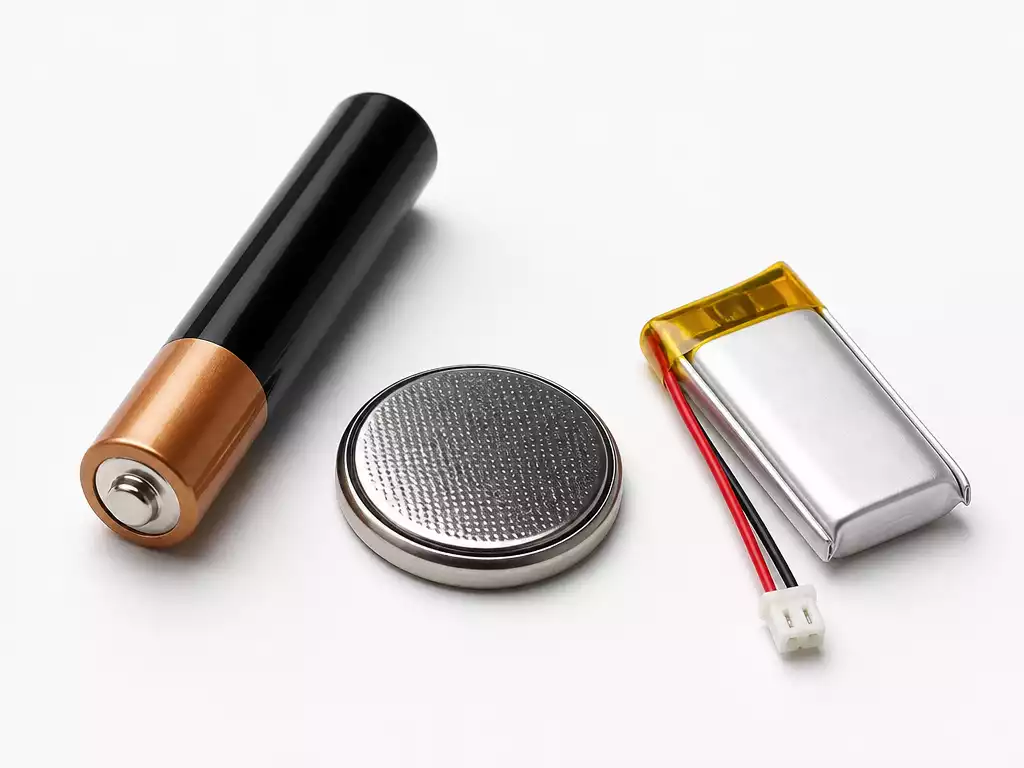
By understanding these different battery types, you’ll be equipped to make the right choice for your scale. Remember, using the wrong battery type can lead to performance issues, so double-check before you purchase!
Signs of a Low Battery: What to Look For
It’s important to be aware of the symptoms indicating a weak battery in your scale. One of the most common signs is a low battery indicator light, which alerts you when the battery is running low. If you notice that your scale is giving inconsistent readings or not turning on at all, it’s likely time for a battery replacement!
- Low battery indicator light is on.
- Scale shows inconsistent weight readings.
- Display is blank or flickering.
Paying attention to these signs can help you avoid inaccurate measurements and ensure that your scale operates smoothly. If you notice any of these symptoms, it’s a good idea to replace your battery promptly to maintain accurate readings.
Common Battery Types Used in Bathroom Scales
Understanding the common battery types used in bathroom scales is essential for selecting the right one. Most often, you’ll find lithium batteries and rechargeable options. Lithium batteries, such as the CR2032, are popular because they provide long-lasting power and stability for digital scales.
- Lithium Batteries: Ideal for digital scales due to their longevity.
- Alkaline Batteries: Often used in analog scales but may not last as long as lithium.
- Rechargeable Batteries: Convenient and eco-friendly; suitable for those who want to reduce waste.
Knowing these battery types can help you choose the best option for your scale model. Always check your scale specifications to ensure compatibility, and enjoy a consistently reliable performance!
Pro Tip
Did you know? Regularly cleaning the battery contacts in your bathroom scale can enhance its performance and prolong battery life. Corrosion or dirt can interfere with the power supply, leading to inaccurate readings. Just a quick wipe with a dry cloth can make a significant difference!
Frequently Asked Questions About Bathroom Scale Batteries
- What are the most common battery types used in bathroom scales?
- Bathroom scales commonly use AAA batteries (often in analog scales) and CR2032 coin cell batteries (frequently found in digital scales). Some modern scales also feature lithium rechargeable options.
- How do I know when my bathroom scale needs a new battery?
- Look for signs like a low battery indicator light, inconsistent weight readings, or a blank/flickering display. These are strong indicators that it’s time for a battery replacement.
- Where can I find information about the correct battery type for my specific scale?
- Always check your scale’s user manual first. If you’ve misplaced it, you can usually find this information printed on the back of the device or by searching online with your scale’s model number.
- Can using the wrong battery type damage my scale or affect its accuracy?
- Yes, using the wrong battery type can lead to performance issues and inaccurate readings. Always ensure the battery you use matches the specifications recommended by the manufacturer.
- How can I prolong the life of my scale’s battery?
- Regularly cleaning the battery contacts with a dry cloth can prevent corrosion and ensure a stable power supply, which can help prolong battery life and maintain accurate readings.
Recap and Quick Reference Guide
Changing the battery in your bathroom scale may seem daunting, but it doesn’t have to be! Here’s a quick recap of the essential steps to keep in mind:
- Identify the correct battery type for your scale (e.g., AAA, CR2032).
- Locate the battery compartment by checking the scale’s underside or back.
- Remove the old battery carefully, avoiding any corrosion issues.
- Insert the new battery correctly, paying attention to the polarity.
- Test your scale to ensure it’s functioning, followed by a reset for accuracy.
By following these steps, you can ensure your scale remains accurate and functional. Remember, regular maintenance is key to prolonging battery life!
Further Resources and Assistance
If you’re looking for more information, I highly encourage you to consult your scale’s manual for model-specific details. Manuals often provide unique insights that are tailored to your device. You can also check out video tutorials and additional articles for visual guidance.
Have you faced any challenges with your scale or have tips to share? I invite you to join the conversation in the comments! Your insights can help others in our community navigate their scale issues with ease.
Exploring Different Scale Features and User Experiences
Understanding the various features of bathroom scales can enhance your selection process. Different models come equipped with unique characteristics that cater to diverse needs. Here’s a brief overview of popular features:
- **Smart technology** for syncing with apps
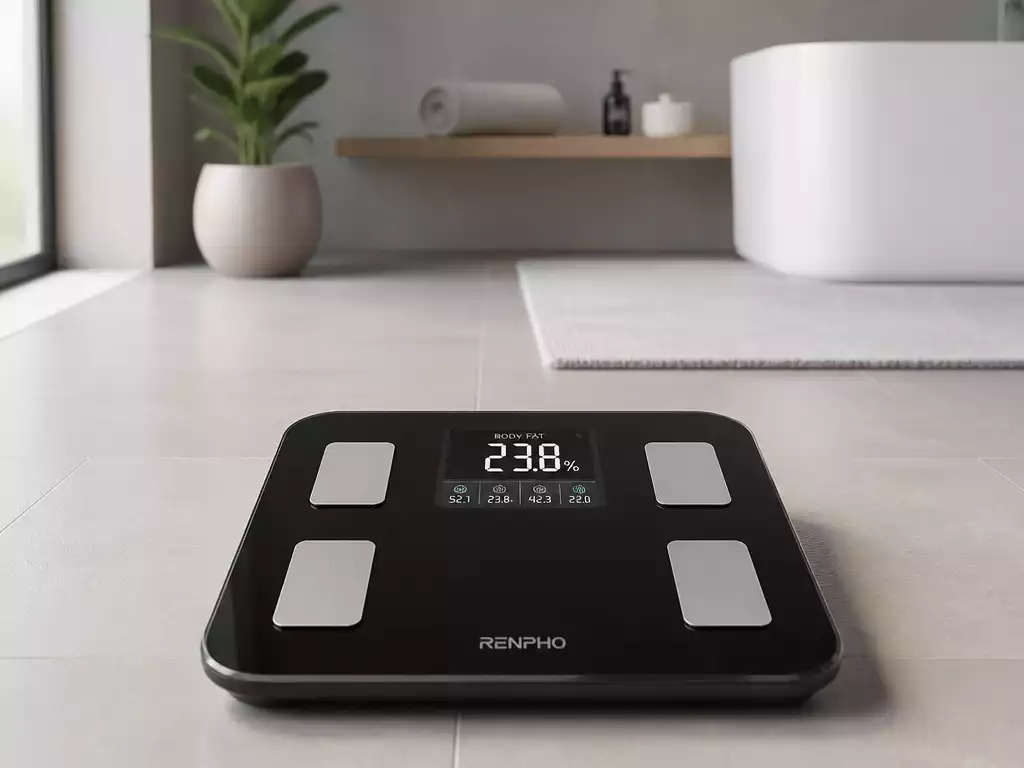
- **Body composition analysis** for detailed health insights
- **User profiles** for family members
- **Automatic calibration** for consistent measurements
Gathering user feedback about these features can be invaluable. It helps in making informed decisions that suit your lifestyle and preferences. So, feel free to share your experiences or ask about specific models in the comments below! Together, we can help each other make the best choices.
Recap of Key Points
Here is a quick recap of the important points discussed in the article:
- Identify the correct battery type for your scale (e.g., AAA, CR2032).
- Locate the battery compartment by checking the scale’s underside or back.
- Remove the old battery carefully, avoiding any corrosion issues.
- Insert the new battery correctly, paying attention to the polarity.
- Test your scale to ensure it’s functioning, followed by a reset for accuracy.