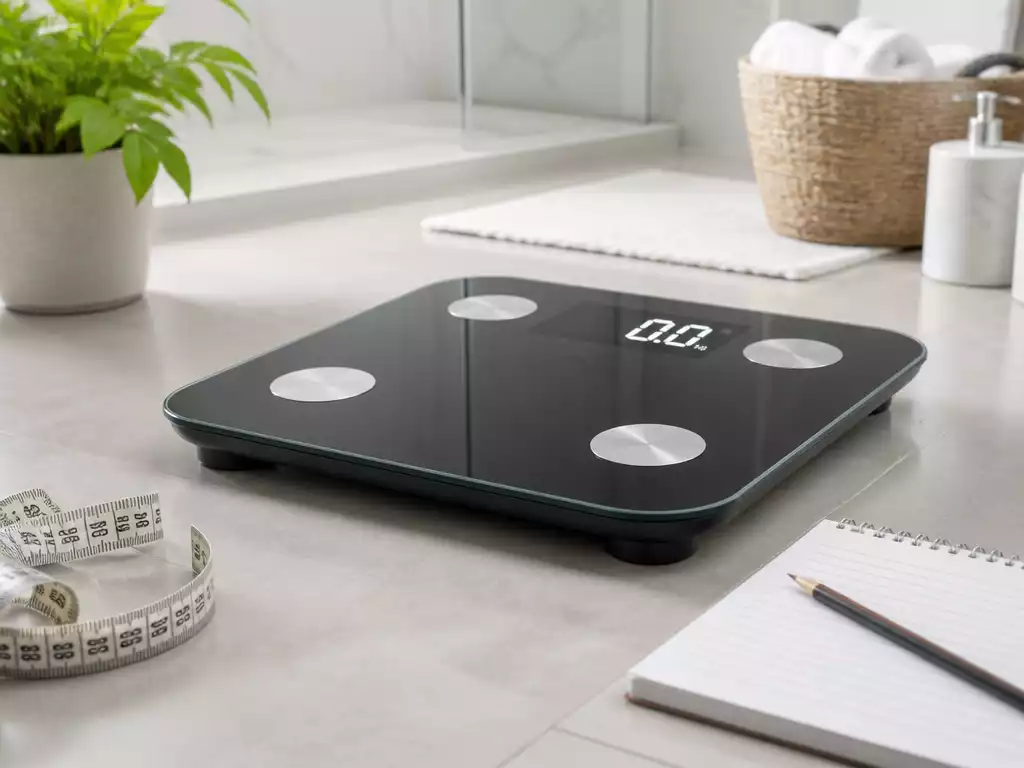
Did you know that a bathroom scale’s accuracy can significantly impact your health tracking? Understanding how to maintain and calibrate your scale is essential for reliable weight measurements.
What You Will Learn
- Calibration is key for accurate and consistent weight readings on your bathroom scale.
- Frequent recalibration helps ensure you are not misled by discrepancies in your weight measurements.
- Signs that your scale needs recalibration include inconsistent readings and drastic weight changes.
- Regular maintenance practices can extend the lifespan of your scale, ensuring its reliability for years.
Understanding Bathroom Scale Calibration: Why It Matters
Calibration is a critical aspect of ensuring your bathroom scale provides accurate weight readings. But what exactly does it entail? Calibration involves adjusting your scale to ensure it measures weight accurately according to established standards. Frequent calibration can help maintain the precision of your scale, which is vital for anyone who tracks their weight closely.
When your scale is calibrated correctly, it boosts your confidence in the readings. This is especially important if you’re monitoring your health or fitness goals! Without proper calibration, you might find yourself questioning the numbers, which can lead to frustration and inconsistency in your weight tracking.
What is Calibration and How Does It Affect Accuracy?
Calibration is the process of aligning your scale with a standard measurement to ensure it reflects an accurate weight. Regular calibration is essential because even a small discrepancy can lead to significant inaccuracies over time. If your scale is off by just a few ounces, it may not reflect your true weight.
- Accuracy: Proper calibration ensures your scale reads correctly.
- Consistency: Regular checks help maintain steady readings.
- Health Tracking: Accurate measurements are crucial for monitoring progress.
In essence, calibration is about reliability. It allows you to trust the data your scale provides, giving you peace of mind as you work toward your fitness objectives.
Signs That Your Bathroom Scale Needs Calibration
It’s important to be alert for signs that your bathroom scale may need calibration. If you’re experiencing any of the following issues, it might be time to recalibrate:
- Inconsistent readings: If you weigh yourself multiple times and get different results.
- Drastic weight changes: If your scale shows sudden, unexplained changes in weight.
- Physical movement: If you’ve moved your scale to a different location or have made significant changes to your bathroom environment.
Noticing these signals early can save you time and frustration. An accurate scale is essential for maintaining a healthy lifestyle, and if you start seeing odd readings, don’t hesitate to recalibrate.
Pro Tip
To further enhance the accuracy of your bathroom scale, consider using a weight calibration device. These devices provide a precise reference weight and can help you verify that your scale is reading correctly. Regularly checking your scale against a known weight can prevent discrepancies and ensure you stay on track with your health goals!
Maintaining Your Bathroom Scale for Longevity
Keeping your bathroom scale in tip-top shape is essential for accurate readings over time. Just like any other tool, a little care goes a long way. In this section, I’ll share some best practices for maintaining your scale, ensuring it serves you well for years to come.
One of the biggest factors in scale longevity is knowing when to recalibrate. Regular calibration helps maintain accuracy and can prevent unnecessary replacements. Let’s dive into some best practices for recalibrating your scale!
When to Recalibrate Your Scale: Best Practices
Knowing when to recalibrate your scale can be tricky, but there are some reliable indicators. Here are a few situations where you should definitely consider recalibrating:
- After moving your scale to a new location.
- Once every few months, even if it appears to be functioning well.
- When you notice discrepancies in weight readings.
- After experiencing significant temperature changes in the room.
I recommend making recalibration part of your seasonal maintenance routine. This simple step helps ensure that your readings remain accurate and consistent!
Tips for Properly Storing and Caring for Your Scale
How you store your scale can impact its performance. Here are some tips to keep in mind:
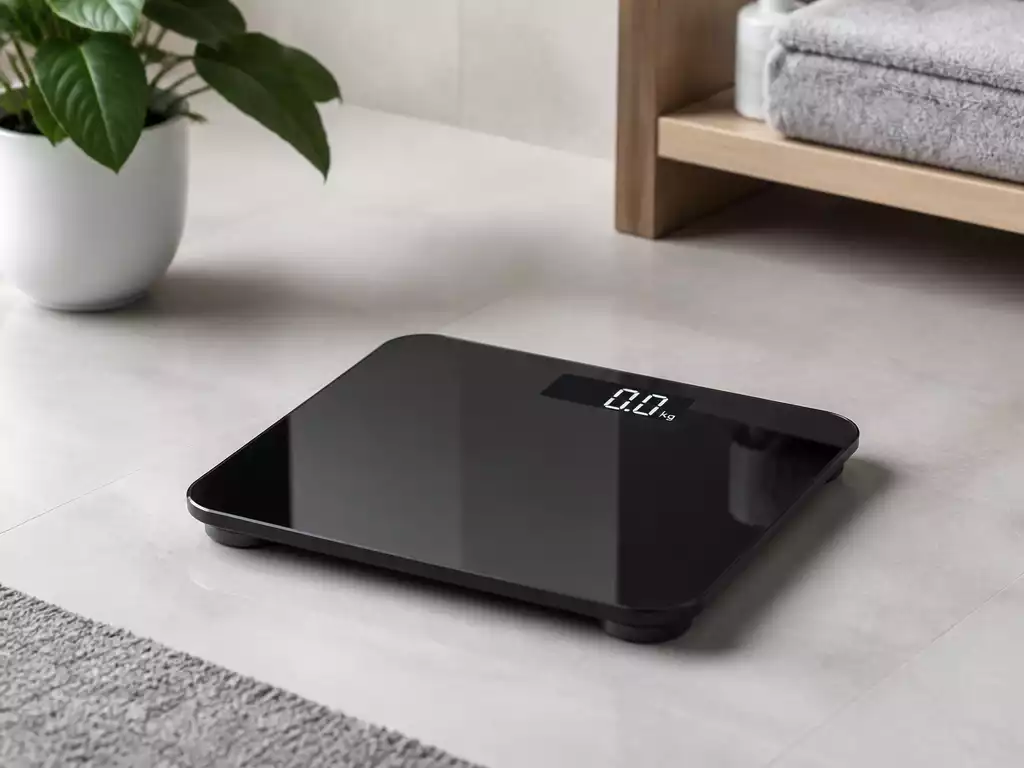
- Always place your scale on a hard, flat surface to ensure accurate readings.
- Avoid exposing your scale to extreme temperatures or moisture, which can damage the internal components.
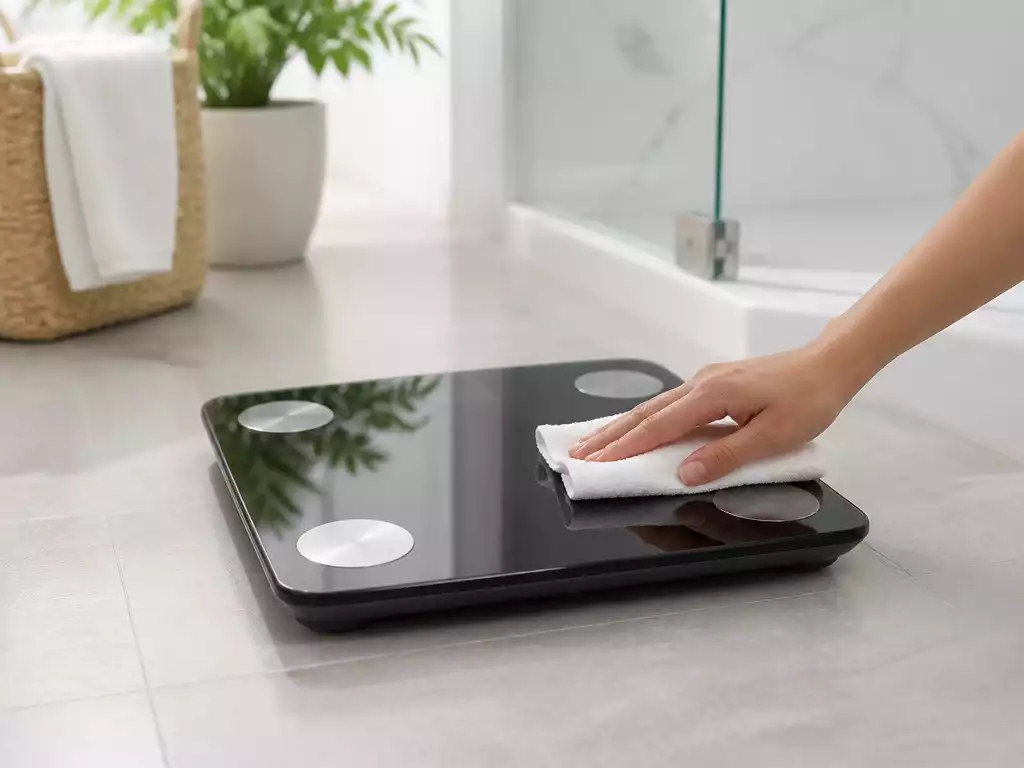
- Clean your scale regularly with a soft cloth to maintain its appearance and functionality.
- If using a digital scale, make sure to turn it off after use to preserve battery life.
By following these simple care tips, you can help prolong the life of your scale and maintain its accuracy.
Understanding the Lifespan of Your Scale and Maintenance Tips
Every bathroom scale has a lifespan, typically ranging from 5 to 10 years, depending on the type and quality. It’s essential to keep an eye on performance over time. If you notice that the scale frequently requires recalibration or shows inconsistencies, it may be time to consider a replacement.
Regular maintenance can significantly extend your scale’s life. Here are some key practices to adopt:
- Store your scale in a dry environment.
- Avoid dropping or knocking the scale, as this can throw off its calibration.
- Check the batteries regularly for digital scales, and replace them if needed.
With these maintenance tips in mind, your scale can remain a reliable tool for tracking your health progress!
Frequently Asked Questions About Bathroom Scale Accuracy
- Q: Why is calibration important for a bathroom scale?
- A: Calibration is crucial because it ensures your scale provides accurate and consistent weight readings, which is vital for effective health and fitness tracking.
- Q: How often should I recalibrate my bathroom scale?
- A: It’s recommended to recalibrate your scale every few months, after moving it to a new location, or whenever you notice inconsistent or drastically different weight readings.
- Q: What are the signs that my bathroom scale needs recalibration?
- A: Key signs include inconsistent readings (different results when weighing multiple times), sudden or unexplained weight changes, or if the scale has been moved to a new spot.
- Q: How can I extend the lifespan of my bathroom scale?
- A: To prolong your scale’s life, store it on a hard, flat surface, avoid extreme temperatures and moisture, clean it regularly, and replace batteries as needed for digital scales. Regular recalibration also contributes to its longevity.
- Q: Can environmental factors affect my scale’s accuracy?
- A: Yes, factors like significant temperature changes in the room and the type of surface the scale is placed on (it should be hard and flat) can affect its accuracy and may necessitate recalibration.
Exploring Advanced Features of Modern Bathroom Scales
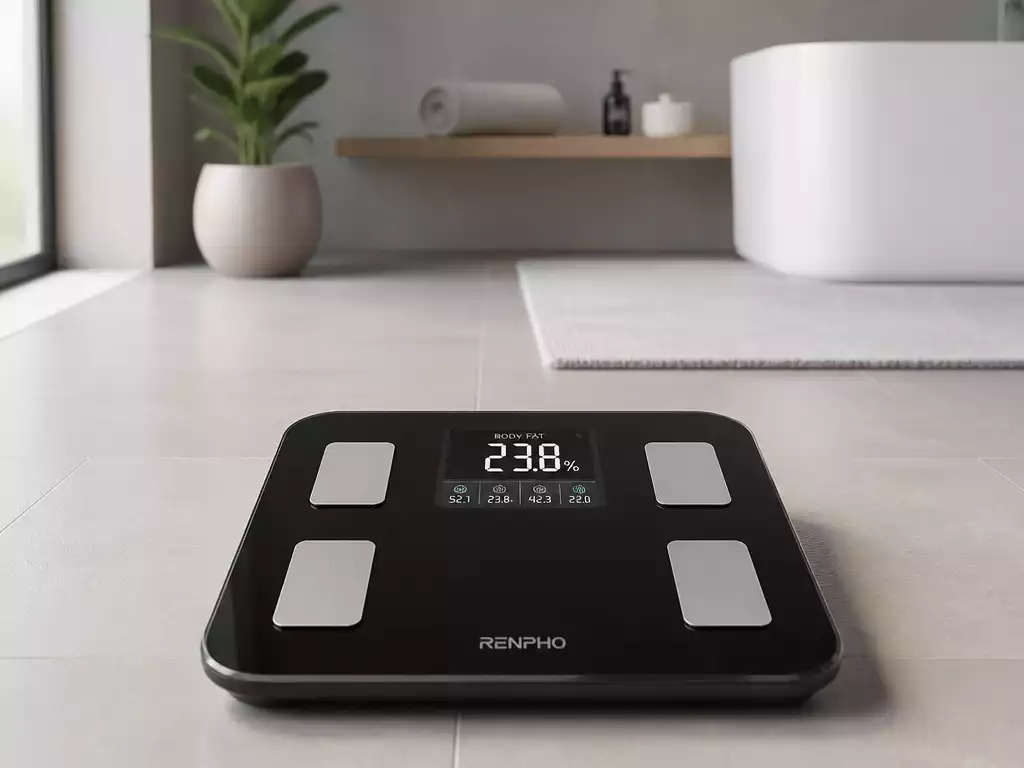
Modern bathroom scales have come a long way, offering advanced features that can enhance your health tracking experience. In the following sections, I’ll share insights into smart scales, body composition metrics, and a comparison between digital and analog scales.
Recap of Key Points
Here is a quick recap of the important points discussed in the article:
- Importance of Calibration: Regular calibration ensures accurate weight readings and builds confidence in your scale.
- Signs for Recalibration: Look for inconsistent readings, drastic weight changes, or if the scale has been moved.
- Best Practices for Maintenance: Store on a hard surface, avoid extreme temperatures, and clean regularly to prolong the scale’s life.
- Regular Checks: Recalibrate every few months and after significant changes in environment or readings.
- Lifespan Awareness: Most scales last 5 to 10 years; regular maintenance can extend their reliability.