Tare Function on a Scale: A Comprehensive Guide
The tare function on a scale can significantly enhance your measurement accuracy. It’s not just a feature; it’s a vital tool that can save time and improve results in various settings. Let’s explore the essential insights you’ll gain!
What You Will Learn
- The tare function allows you to measure contents without the weight of their container, ensuring precision in your measurements.
- Understanding tare weight, gross weight, and net weight is crucial for effective measurement practices.
- Using the tare function varies slightly across different scales, but the fundamental principles remain the same.
- Knowing the distinction between tare and zero settings can help you achieve more accurate and reliable measurements.
- Practicing with different containers and scales can enhance your confidence in using the tare function effectively.
The tare function is a crucial feature on many scales, allowing you to measure the weight of an item without including the weight of its container. In simpler terms, it helps reset the scale to zero while keeping the container on the platform, which can be a real time-saver in both home and industrial settings. Understanding how this function works is essential for achieving accurate measurements in your daily tasks.
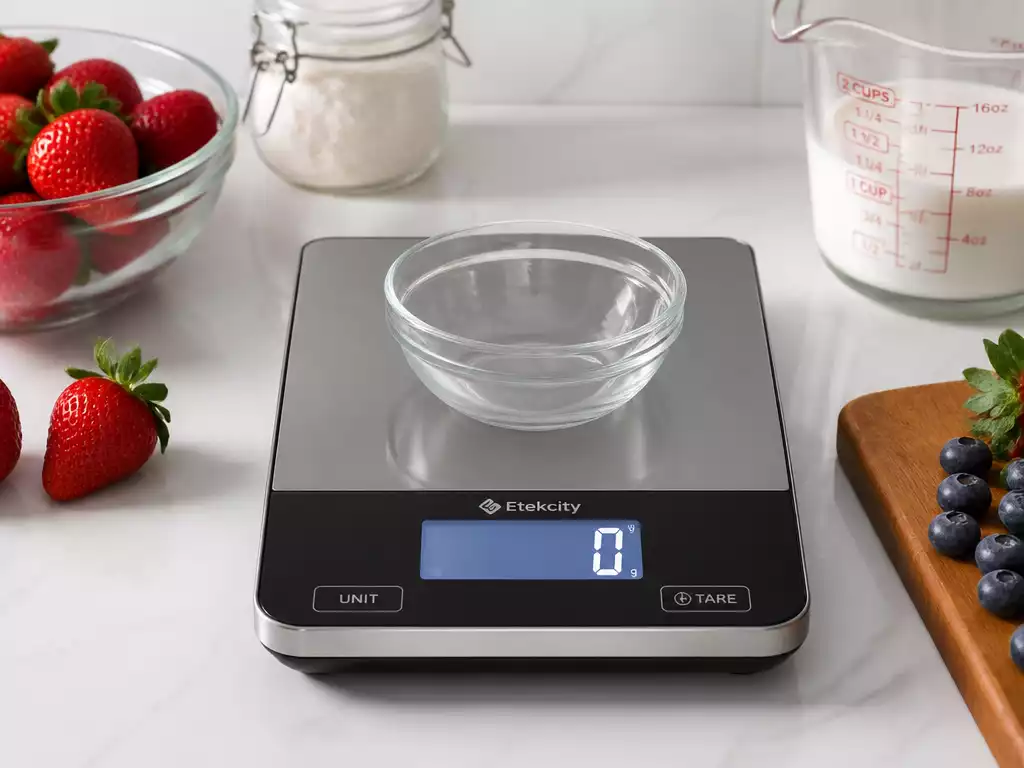
When you use the tare function, you’re essentially telling the scale to ignore the weight of the container, so you can focus on the actual contents being measured. This is especially helpful when measuring liquids or powders, where a precise measurement is vital. If you’ve ever used a kitchen scale for baking or cooking, you’ve likely engaged the tare function without even realizing it!
What is Tare Weight and How Does it Work?
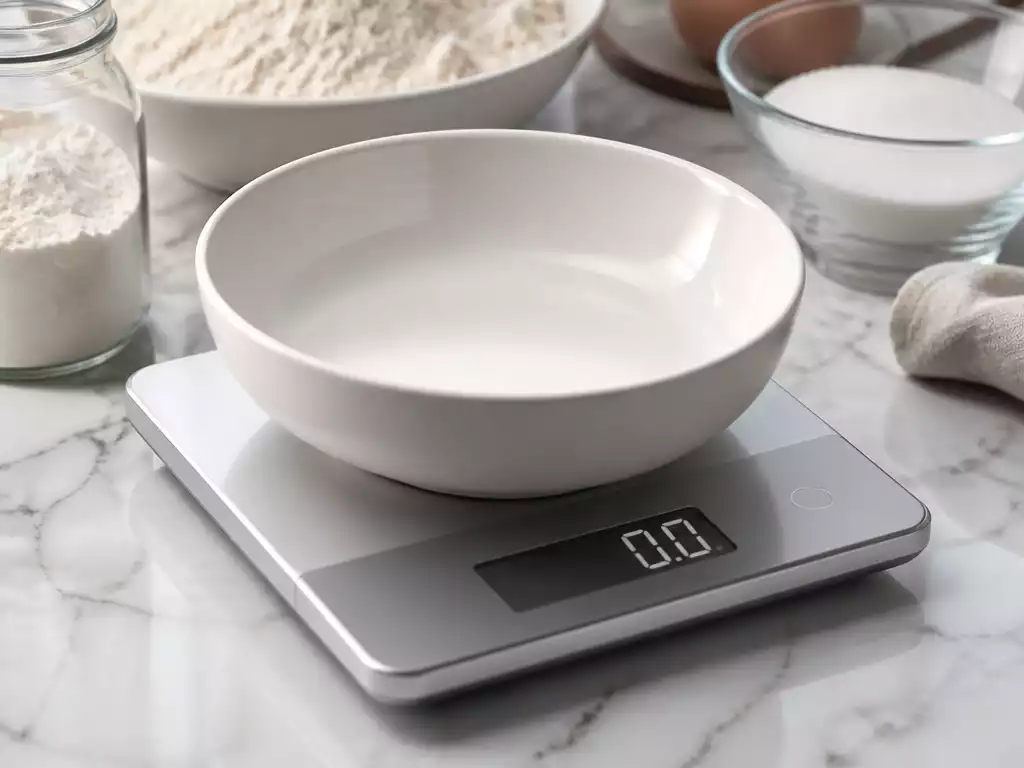
Tare weight is the weight of the container holding the substance you wish to measure. By utilizing the tare function, you’re setting the scale to zero to account for that container weight. This means you’ll only measure the actual content, giving you a more accurate reading. It’s important to note that tare weight can vary depending on the size and type of container you use.
- Tare Weight: The weight of the empty container.
- Gross Weight: The total weight of the container plus its contents.
- Net Weight: The weight of the contents alone, calculated after taring.
This systematic approach to weighing helps avoid errors in measurements. For instance, if you’re baking and need 200 grams of flour, using the tare function will ensure that you’re only measuring the flour itself, without the weight of your bowl factoring in.
How to Use the Tare Function Correctly Across Different Scales
Using the tare function may vary slightly across different types of scales, but the basic principles remain consistent. Here’s a quick guide to using the tare function on various scales:
- Digital Scales: Place your container on the scale and press the ‘tare’ button to reset the display to zero.
- Kitchen Scales: After placing the bowl, hit the tare button before adding your ingredients.
- Industrial Scales: Follow the manufacturer’s instructions, but typically, you’ll place the container and then tare before loading your materials.
By following these simple steps, you can ensure accurate readings across different scenarios. Don’t hesitate to practice this function with your scales at home or in the workplace. It can save you a lot of time and effort in the long run!
Key Differences: Tare vs. Zero vs. Gross vs. Net Weight
Now that we’ve covered the tare function, let’s clarify some related terms. Understanding these differences is essential for effective weighing.
Clarifying Tare and Zero: Is There a Difference?
While tare and zero are often used interchangeably, they serve different purposes. The tare function specifically accounts for the weight of a container, while zeroing the scale simply resets it to that current weight. If you empty a container after taring, you might need to zero the scale again to get a fresh weight.
- Tare: Resets the scale while accounting for container weight.
- Zero: Resets the scale to a new reference point, which may not account for weight.
Mastering these terms will enhance your weighing experience, making it easier to achieve accurate measurements consistently.
Gross Weight vs. Net Weight in Measurement
Next, we need to discuss the concepts of gross weight and net weight. Gross weight refers to the total weight of the item, including both the product and its packaging. Conversely, net weight is the weight of the product alone, with the packaging excluded. This distinction is especially important in industries like shipping and food production.
- Gross Weight: Item + Packaging.
- Net Weight: Item only.
By understanding these terms, you can navigate weighing processes more effectively, ensuring you’re always focused on the right measurements, whether you’re at home or managing a business.
Pro Tip
To achieve the most accurate measurements, always ensure that your scale is placed on a flat, stable surface. This minimizes measurement errors that can occur due to uneven surfaces. Additionally, regularly calibrate your scale according to the manufacturer’s guidelines to maintain its precision over time.
Frequently Asked Questions (FAQs) About the Tare Function
To further solidify your understanding, let’s address some common questions you might have regarding the tare function and weight measurement:
- What is the primary purpose of the tare function? The primary purpose of the tare function is to eliminate the weight of a container or packaging from a measurement, allowing you to get the precise net weight of the contents.
- How do I use the tare function on a typical digital scale? Place your empty container on the scale, wait for the weight to stabilize, and then press the ‘Tare’ button. The display should reset to zero, ready for you to add your ingredients.
- Is there a difference between “Tare” and “Zero” on a scale? Yes, there is. “Tare” specifically accounts for the weight of a container and subtracts it, effectively resetting the scale to zero for the contents. “Zero” simply resets the scale to zero at its current state, which might include residual weight if not properly cleared.
- Why is understanding tare weight, gross weight, and net weight important? Understanding these terms is crucial for accurate measurement, especially in professional settings like shipping, manufacturing, and cooking. Tare weight is the container’s weight, gross weight is total (container + contents), and net weight is the contents alone—which the tare function helps you find.
- What should I do if my scale isn’t taring correctly? First, ensure your scale is on a flat, stable surface. Check for any obstructions under or around the scale. If the problem persists, consult your scale’s user manual for troubleshooting or consider recalibrating it.
Conclusion: Mastering the Tare Function for Accurate Measurements
As we wrap up our deep dive into the tare function, it’s essential to recognize how pivotal this feature is for achieving accurate measurements across various applications. Understanding tare not only enhances your weighing accuracy but also simplifies the process, whether you are in a kitchen, laboratory, or industrial setting.
By mastering the tare function, you can ensure that you’re always getting the net weight of the contents without the added weight of the container. This is particularly valuable in avoiding waste and optimizing resource usage, which can be crucial for both home cooks and business operations.
Your Next Steps for Effective Weight Measurement Techniques
Now that you’re equipped with knowledge about the tare function, it’s time to put it into practice! Here are some steps you can take to enhance your weighing efficiency:
- Start by familiarizing yourself with the tare function on your scale, reading the manual if necessary.
- Practice taring different containers and materials to see how the scale adjusts.
- Keep a log of your measurements to track your progress and accuracy.
- Experiment with different types of scales to see how tare functions vary across them.
By actively practicing these steps, you’ll develop a strong foundation in effective weight measurement techniques that can streamline your tasks and improve your outcomes. Remember, the key to success is consistent application!
Recap of Key Points
Here is a quick recap of the important points discussed in the article:
- The tare function allows you to measure contents without the weight of the container.
- Tare weight is the weight of the empty container, while net weight is the weight of the contents alone.
- To use the tare function, place your container on the scale and press the tare button to reset to zero.
- Understand the difference between tare and zero; tare accounts for container weight, while zero resets to the current weight.
- Gross weight includes both the item and its packaging, while net weight is just the item.
- Practice using the tare function regularly to enhance your weighing accuracy and efficiency.